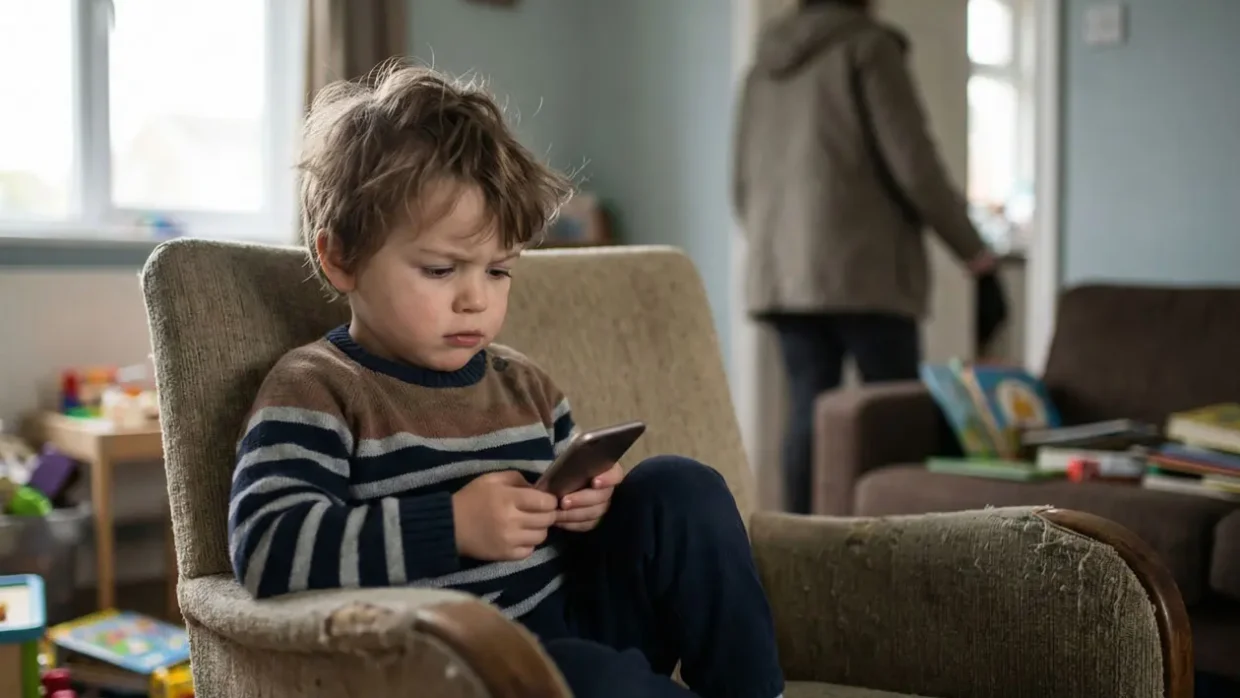


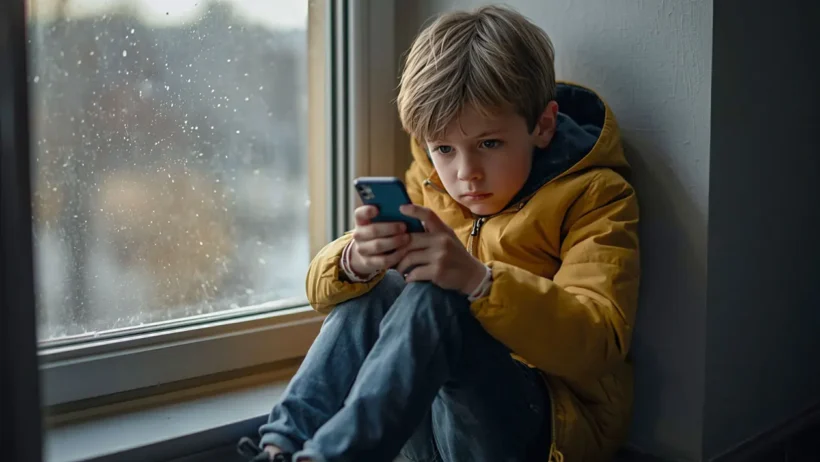
Finding out your child is being cyberbullied is one of the most distressing things a parent can face. Unlike playground conflicts that end when the school bell rings, online bullying follows your child home. It shows up on their phone while they’re doing homework, at the dinner table, and even late at night when they should be sleeping. It’s relentless, and it can feel invisible to everyone except the child living through it.
We know how overwhelming this situation can be. You want to protect your child, but you also don’t want to overreact or make things worse. That’s why we’ve put together this practical guide. Whether you’ve just discovered what’s happening or you’ve suspected something for a while, you’ll find clear, actionable steps here to help your child and address the situation with confidence.
What Is Cyberbullying, Exactly?
Before we talk about what to do, it helps to be clear on what we’re dealing with. Cyberbullying is any repeated, intentional harm carried out through digital devices, including phones, tablets, computers, and gaming platforms. It can take many forms.
It might look like a group of classmates sending cruel messages on a WhatsApp group. It could be someone creating a fake account pretending to be your child and posting embarrassing content. Sometimes it’s subtler, like being consistently excluded from online group chats or having comments on social media met with mockery and ridicule.
According to the Cyberbullying Research Center, about 27 to 40 percent of young people report experiencing cyberbullying at some point. That number tells us this is not a rare or unusual problem. It’s something millions of families are quietly dealing with right now.
How to Recognize the Signs Your Child Is Being Cyberbullied
Children and teenagers often don’t tell their parents when they’re being bullied online. Some feel embarrassed. Some fear they’ll lose access to their devices if they come forward. Others simply don’t think adults will understand or be able to help.
That means it’s up to us, as parents, to pay attention.
Behavioral and Emotional Signs
Watch for changes in your child’s mood, especially after they’ve been on their phone or computer. Signs to look out for include:
Becoming withdrawn or unusually quiet after using their device. Seeming anxious, upset, or angry when a message comes through. Avoiding conversations about their online life or becoming defensive when you ask. Losing interest in activities they used to enjoy. Trouble sleeping, changes in appetite, or declining school performance.
None of these signs on their own confirm cyberbullying, but if you notice a cluster of them, it’s worth starting a gentle, non-accusatory conversation.
Device-Related Signs
Beyond emotional changes, there are some practical signals too. If your child suddenly stops using their phone or, on the flip side, seems unable to put it down out of anxiety, that’s worth noting. If they close screens quickly when you walk by, or if they seem distressed after checking their notifications, take note.
How to Talk to Your Child About It
This is the most important step, and it’s also the one that’s easiest to get wrong. If your child senses even a hint of judgment or dismissal, they may shut down completely.
Create a Safe, Calm Space
Start by choosing a relaxed, private moment, not in the heat of emotion. You might say something like, “I’ve noticed you seem a bit upset lately after being on your phone. I’m not in trouble with anything, I just want to make sure you’re okay.” Keep your tone warm and curious, not alarmed.
Let them lead. Ask open questions. “Has anything been bothering you online lately?” is a better opener than “Are you being bullied?” The word bullying can sometimes feel like a label they’re not ready to accept.
Listen Without Immediately Jumping Into Fix-It Mode
When children share something difficult, they often need to feel heard before they’re ready to problem-solve. Resist the urge to immediately say “I’m going to call the school” or “Delete your account right now.” Both responses, however well-intentioned, can make a child feel like control is being taken away from them, which is often the opposite of what they need.
Validate their feelings first. Tell them you believe them. Tell them it’s not their fault. Then, together, decide on next steps.
Practical Steps to Take If Your Child Is Being Cyberbullied
Once your child is ready to act, here’s how to move forward in a way that’s effective and doesn’t escalate the situation unnecessarily.
Step 1: Document Everything
Before blocking or deleting anything, take screenshots. Capture the messages, posts, usernames, dates, and times. This documentation matters if you later need to involve the school, parents of the child doing the bullying, or in serious cases, the police.
Save the screenshots in a secure folder and keep a written log of incidents with dates.
Step 2: Block and Report
Most social media platforms and messaging apps have reporting and blocking tools that are fairly straightforward to use. Blocking the person prevents further contact. Reporting it to the platform puts the platform’s trust and safety team on notice, and in serious cases, they may remove the account or content entirely.
Platforms like Instagram, TikTok, Snapchat, and YouTube all have reporting mechanisms built in. We recommend helping your child do this rather than doing it for them, so they feel empowered and understand how these tools work.
Step 3: Notify the School If the Bullying Involves Classmates
Cyberbullying that happens between students from the same school almost always has a real-world dimension. The online behavior often reflects or fuels social dynamics in the classroom. Schools have a responsibility to address bullying even when it happens outside school hours, especially if it affects your child’s ability to participate in school comfortably.
Contact the school counselor or a trusted teacher first, rather than going straight to the principal. A counselor can often address the situation more sensitively and with more discretion.
Step 4: Involve Law Enforcement If Necessary
Most cyberbullying is not a criminal matter. But some situations cross a legal line. If your child is receiving threats of physical harm, if someone is sharing intimate or sexually explicit images of them (which, when involving a minor, is a serious crime), or if the bullying involves identity theft or hacking, you should contact the police.
Don’t hesitate to make that call if you feel the situation warrants it. The safety of your child comes first.
Supporting Your Child’s Mental Health Through This
Being cyberbullied can have a real and lasting impact on a young person’s self-esteem, sense of safety, and trust in their peers. Don’t underestimate this.
Take Their Emotional Response Seriously
Some children bounce back quickly. Others struggle for weeks or months. Both are valid. If your child is showing signs of depression, persistent anxiety, withdrawal from friends and family, or any thoughts of self-harm, please seek professional support. A child psychologist or therapist who specializes in adolescents can be enormously helpful.
Even if things seem to improve, it’s worth checking in regularly. The emotional effects of cyberbullying can resurface, especially around anniversaries of the events or when your child sees the bully at school.
Help Rebuild Their Confidence Online and Offline
After cyberbullying, many children feel reluctant to engage online at all. That’s understandable. Rather than banning devices entirely, which can feel like a punishment for something that wasn’t their fault, focus on gradually rebuilding their confidence.
Encourage them to connect with friends they trust. Celebrate small wins. Help them find communities online around interests they love, whether that’s gaming, art, music, or anything else, where they can experience positive, affirming interactions.
Should You Contact the Bully’s Parents?
This is a question many parents wrestle with, and the honest answer is: it depends.
In some cases, reaching out directly to the other parent, particularly if you know them, can resolve the situation quickly. Many parents are genuinely shocked to learn their child has been behaving this way online and will take action.
However, direct contact doesn’t always go well. Some parents become defensive or dismissive. In those cases, it can actually escalate the conflict rather than resolve it. If you don’t know the other parent well, or if previous interactions have been difficult, it may be better to let the school mediate.
Whatever you decide, stay calm and factual. Lead with documentation, not emotion.
Setting Up Better Protections Going Forward
Once the immediate situation is being addressed, it’s a good time to have a broader conversation about online safety. Not in a scary or punitive way, but from a place of care and practical problem-solving.
Review Privacy Settings Together
Sit down with your child and look at the privacy settings on the apps they use most. Who can see their posts? Who can send them messages? Can strangers find their profile? Many default settings are far more open than most parents realize.
Making these adjustments together also opens a dialogue about why privacy matters and how your child can protect themselves going forward.
Consider Parental Control Tools
Depending on your child’s age and the severity of what happened, you might want to explore parental control tools that allow you to monitor online activity, set time limits, or restrict access to certain platforms. These work best when introduced as collaborative safety tools rather than surveillance measures.
Apps like Google Family Link, Apple Screen Time, and others offer a range of options for different ages and needs.
A Word to Parents Who Feel Helpless
If you’re reading this because your child is going through something painful right now, we want to say clearly: you are not helpless. Your presence, your willingness to listen, and your steady support are more powerful than you might realize.
Children who feel genuinely supported by their parents are significantly more resilient in the face of bullying. Research consistently shows that parental involvement and open communication are among the most protective factors a child can have.
You don’t have to have all the answers. You just have to show up, keep the lines of communication open, and take it one step at a time.
Conclusion
Cyberbullying is one of the harder challenges of raising children in a digital world. But it’s not insurmountable. By recognizing the signs early, approaching the conversation with care, taking clear and documented action, and supporting your child’s emotional recovery, you can help them through this and come out the other side stronger.
The key steps to remember: document before you act, block and report through the platform, involve the school when classmates are involved, seek professional help if your child is struggling emotionally, and review privacy settings together once the dust settles.
Your child is lucky to have a parent who cares enough to look this up. That already makes a difference.