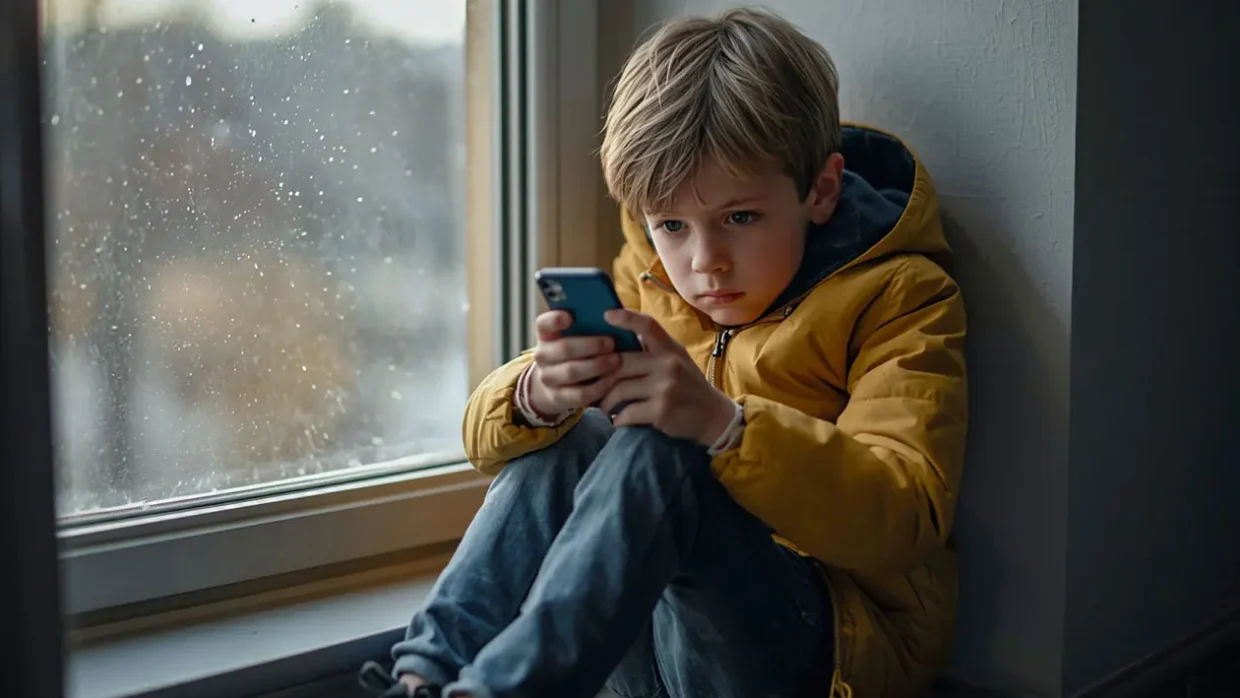


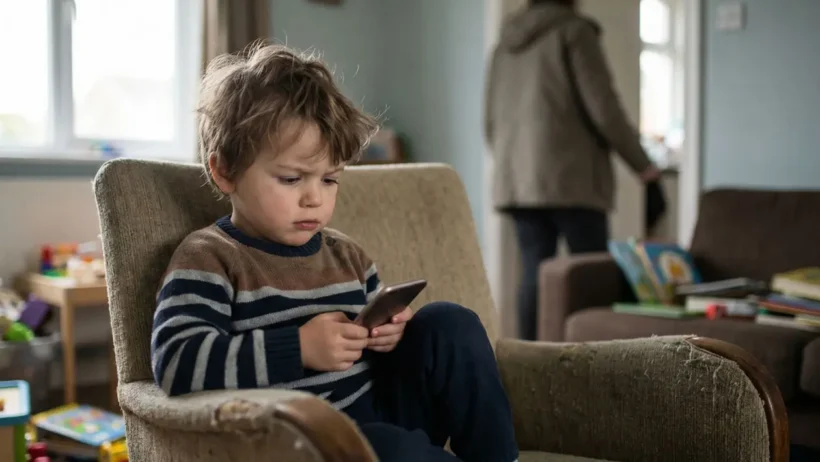
Most parents worry about their children’s safety online. And honestly, that worry is completely valid. The internet opens up amazing opportunities for kids to learn, connect, and create. But it also brings real risks, including the possibility of your child building relationships with people they have never actually met. Learning the signs your child is talking to strangers online has become more important than ever for modern parents.

The tricky part is that children rarely come out and tell you they are chatting with someone unfamiliar. Sometimes they do not even fully realize the danger themselves. That is why knowing what to look for matters so much.
In this article, we walk you through the most important warning signs your child is talking to strangers online. We also explain what those signs mean, why certain behaviors are worth paying attention to, and what you can do as a parent to respond calmly and effectively.
| According to reports from the Internet Watch Foundation and child safety organizations, children as young as 7 have been targeted by online strangers through social media, gaming platforms, and messaging apps. |
Why Children Connect With Strangers Online
Before we get into the signs, it helps to understand why this happens in the first place. Children are naturally curious and social. Online platforms are designed to feel exciting, validating, and endlessly engaging. When a stranger appears friendly, complimentary, and interested in your child’s world, it can feel genuinely nice to them.
Older children and teenagers especially may be drawn to talking with people outside their immediate social circle. They may be seeking advice, attention, or simply someone who listens without judgment. Online strangers can expertly fill those emotional gaps, which is exactly why grooming can happen so gradually that neither the child nor the parent notices until things have gone quite far.
Understanding this does not mean blaming your child if something happens. It means recognizing that kids are vulnerable by nature and that bad actors know exactly how to take advantage of that.
Helpful Resources
How to Talk to Your Kids About Internet Strangers
Learn how to talk to your kids about internet strangers in a calm, supportive way that builds trust and helps keep them safe online.
The Warning Signs to Watch For
These signs do not always mean something is definitely wrong. But they are worth taking seriously, especially when you notice more than one at the same time.
1. Secretive or Sudden Behavior Changes Around Devices
| Hiding screens or switching apps quickly when you walk by If your child routinely angles their screen away from you, minimizes windows, or seems startled when you approach, that level of privacy goes beyond typical teen behavior. All children deserve some personal space, but consistent secretive device use can indicate conversations they know you would not approve of. |
| Becoming upset when device access is limited Every child gets annoyed about screen time limits. But an unusually intense or anxious reaction, especially tied to a specific app or account, can signal that something emotionally significant is happening there. If your child feels they urgently need to check their messages or becomes distressed at the thought of losing access, take note. |
| Using devices late at night in secret Nighttime is when many concerning online relationships intensify. If you find your child is using a phone or tablet late at night after everyone else is asleep, they may be communicating with someone in a different time zone or someone who specifically targets children during those quiet, unsupervised hours. |

Helpful Resources
7 Dangerous Apps Parents Should Know About in 2026
Discover the most dangerous apps parents should know about in 2026. Learn which apps expose kids to online strangers, inappropriate content, cyberbullying, and privacy risks plus practical tips to help keep your child safer online.
2. Receiving Gifts, Money, or Game Credits From Unknown Sources
This is one of the clearest red flags. If your child receives online game credits, gift cards, money through payment apps, or physical gifts that they cannot clearly explain, something needs your attention right away.
| Online predators frequently offer gifts as part of building trust and emotional influence with a child. It is a classic grooming technique. If your child brushes it off as “just a friend” or becomes defensive about where the gift came from, that discomfort is worth exploring. |

Talk to your child calmly about where the gift came from, and make sure they understand that accepting things from online contacts they have never met in person is not safe, regardless of how well they feel they know the person.
3. Talking About a New “Friend” They Met Online
Children who are building a relationship with an online stranger often mention this person. They might talk about them as if they are a peer, a mentor, or even a romantic interest. Pay close attention to references like “my friend online told me” or “this person I know thinks I should.” These casual mentions can reveal a lot.
Concerning details to watch for include:
- The “friend” seems unusually understanding or flattering toward your child
- Your child cannot explain clearly how they met or where the person lives
- The person has supposedly had similar life experiences to your child
- Your child seems emotionally attached to this person despite never meeting them
- The “friend” has told your child to keep their conversations private
| That last point is especially important. The request for secrecy is one of the most consistent patterns in grooming behavior. If an adult online is telling your child not to tell their parents about their conversations, that is not the behavior of a friend. It is a manipulation tactic. |
4. Emotional or Behavioral Shifts That Seem Unexplained
Parents often sense something is off before they can put their finger on what it is. Trust that instinct. Children who are in contact with concerning online figures often show emotional changes that do not line up with anything obvious happening at school or home.
Watch for:
- Withdrawal from family activities and conversations
- Mood swings that seem tied to device use, such as being happy after using their phone but upset when you take it away
- Signs of anxiety, guilt, or shame around online activity
- Sudden disinterest in friends they used to spend time with
- Uncharacteristic aggression or crying when questioned about online activity
These changes do not always mean something dangerous is happening. But when they coincide with other signs on this list, they deserve a closer and more compassionate look.
5. Discovering Unknown Contacts in Their Accounts
If you ever have a chance to glance at your child’s contact list, message threads, or social media followers with their knowledge, unfamiliar names or usernames are worth asking about. Online predators often create accounts designed to look like children or teenagers, using profile pictures taken from other accounts and personas that feel relatable to kids.
It is perfectly reasonable to occasionally review your child’s contacts together as part of a broader conversation about online safety. This should not feel like surveillance. Frame it as something you do together, openly, rather than going through their phone behind their back. The goal is to build trust and awareness, not to spy.
6. Using Apps or Platforms You Do Not Recognize
The apps children use to communicate with strangers are not always the big, obvious ones. Many kids migrate to less well-known platforms precisely because they feel more private and less monitored. Apps designed for anonymous chatting, short-form video sharing, or online gaming with in-app chat features are commonly used.
| Some apps allow children to connect with strangers through proximity features, shared interest tags, or completely anonymous chat. If you notice apps on your child’s device that you do not recognize, take a moment to look them up before assuming they are harmless. |
This is not about banning every new platform your child discovers. It is about understanding what the app does, who can reach your child through it, and what the privacy settings look like.
7. Sharing Personal Information Online
Children, especially younger ones, often do not fully grasp what “personal information” actually means in a digital context. They might share their school name in a game profile, mention their neighborhood in a video, or tell an online contact their full name without thinking twice.
If your child mentions casually that they told someone online where they live, go to school, or what they look like, take that as a teaching moment. Explain, without panic, why that kind of sharing can be risky even with people who seem friendly and safe.
What to Do When You Notice These Signs
The most important thing to remember is that your reaction shapes how your child responds. If you come in with fear, anger, or accusations, they are likely to shut down or hide more. A calm, curious approach works so much better.
Start With Open Conversation

Instead of saying “who have you been talking to,” try something like “I noticed you seem pretty attached to your phone lately. Is there something fun going on, or is something bothering you?” Creating space for honest conversation takes patience, but it is genuinely the most powerful tool you have.
Set Clear and Consistent Digital Boundaries
Boundaries are not punishments. They are structures that help children navigate a complex digital world. Think about where devices are used in your home, what hours are off-limits, which apps require parental approval, and what your family’s shared expectations around privacy look like.
Children who understand the “why” behind rules are more likely to follow them. Take time to explain your reasoning. “We keep devices in common areas so we can all feel safe, not because I don’t trust you” is very different from just confiscating a phone without explanation.
Use Parental Controls as One Tool, Not the Only Tool
Parental controls can help you manage what your child accesses and who can contact them. Most devices and major platforms offer these settings. But they work best as part of a broader strategy that includes conversation, trust-building, and digital literacy education.
No filter catches everything. No app blocks every risk. Your relationship with your child, and their own understanding of online danger, is ultimately the strongest protection they have.
Know When to Involve Authorities
If you find evidence that an adult has been communicating with your child in a sexual, manipulative, or threatening way, do not handle it alone. Contact your local law enforcement or reach out to organizations like the National Center for Missing and Exploited Children in the US, or the equivalent agency in your country. These organizations take online child safety seriously and have dedicated teams to help.
| Reporting suspicious contact is not overreacting. It is the right thing to do. Even if nothing criminal has happened yet, reporting early can prevent harm to your child and others. |
Building a Culture of Digital Openness at Home
Long-term safety does not come from constant surveillance. It comes from your child knowing that they can come to you without fear. That is easier said than done, especially with teenagers who value their independence. But it starts with small consistent choices over time.

Talk about online safety regularly, not just when something goes wrong. Share age-appropriate stories in the news about online risks. Ask your child to explain apps to you, it shows interest and opens conversation. Praise honesty, even when what they tell you makes you uncomfortable.
When children feel safe telling you things, they are far more likely to come to you early, before a situation becomes dangerous rather than after.
Final Thoughts
Knowing the signs your child may be talking to strangers online is genuinely one of the most valuable things a parent can learn in today’s digital world. The goal is not to live in fear, but to stay informed, stay connected with your child, and respond wisely when something feels off.
The signs we have covered, such as secretive device use, unexplained gifts, new online “friends,” emotional shifts, unfamiliar contacts and apps, and oversharing personal information, do not each automatically mean something harmful is happening. But together, or in combination with your own parental instinct, they are worth taking seriously.
You do not have to be a tech expert to protect your child online. You just need to stay curious, stay present, and make sure your child knows that no matter what happens in their digital life, you are someone they can talk to.