

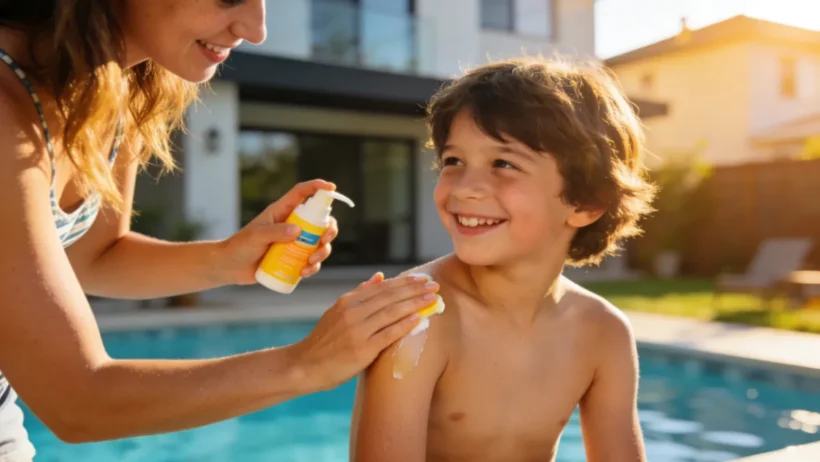
Summer is one of the most exciting times of year for kids. School is out, the days are long, and adventure feels like it’s just outside the front door. But along with all that freedom comes a set of real risks that every parent needs to stay on top of. Whether your children are splashing in the pool, riding bikes around the neighborhood, or spending time online during the break, keeping them safe takes a little planning and a lot of awareness.
We put together these 25 summer safety tips for kids to give you a clear, practical guide you can actually use. You do not need to be a worrier to find this helpful. You just need to be a parent who wants the best for their child.
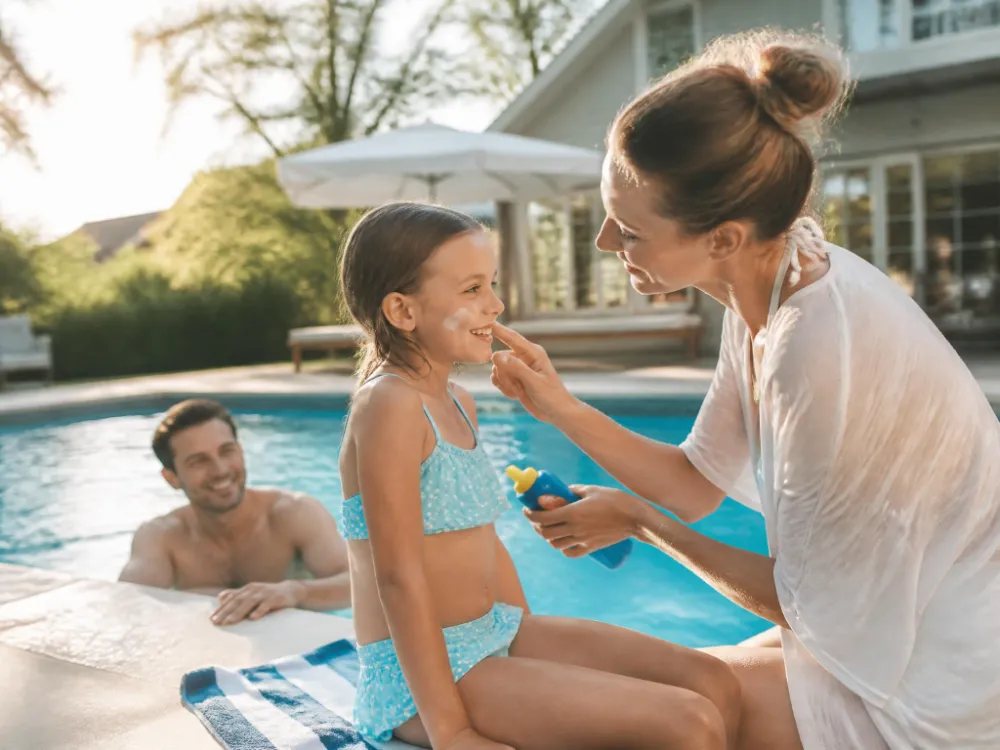
Sun Safety Tips for Kids: Protecting Little Skin All Summer Long
The summer sun feels wonderful, but UV exposure adds up quickly. Sunburn in childhood has been linked by the Skin Cancer Foundation to a higher lifetime risk of skin cancer. The good news is that sun protection is simple once it becomes part of your routine.
1. Apply Sunscreen Before Going Outside
Use a broad-spectrum sunscreen with SPF 30 or higher every single day, not just at the beach. Apply it 15 to 20 minutes before your child goes outside so it has time to absorb properly. Do not skip the ears, back of the neck, and tops of the feet.
2. Reapply Every Two Hours
One application in the morning will not last all day. Reapply sunscreen every two hours, and immediately after swimming or heavy sweating, even if the product says water-resistant.
3. Dress for the Sun
Lightweight long-sleeved shirts and wide-brimmed hats offer great protection with no fuss. Look for clothing with a UPF (Ultraviolet Protection Factor) rating for extra peace of mind.
4. Seek Shade During Peak Hours
The sun is at its strongest between 10 a.m. and 4 p.m. Whenever possible, plan outdoor activities for the morning or late afternoon. If you are at a park or beach during midday, make shade a priority.
5. Protect Their Eyes Too
Children’s eyes are more sensitive to UV damage than adults’. Choose sunglasses that block 99 to 100 percent of both UVA and UVB rays. Wrap-around styles offer the best coverage.
Quick Sun Safety Checklist
- SPF 30+ sunscreen applied 15 minutes before going out
- Reapply every 2 hours and after swimming
- Hat and UV-protective clothing on hand
- Sunglasses with UVA/UVB protection
- Plan outdoor play before 10 a.m. or after 4 p.m.
Heat Safety and Hydration: Keeping Kids Cool When Temperatures Rise
Heat-related illness is more common in children than many parents realize. Kids do not regulate body temperature as efficiently as adults, which means they can overheat faster. Heatstroke is a medical emergency. But it is almost always preventable.
6. Make Water the Default Drink
Children need more water than usual when it is hot. Encourage them to drink water consistently throughout the day, not just when they feel thirsty. Thirst is actually a late sign of dehydration. A good rule of thumb from the American Academy of Pediatrics is around 6 to 8 cups of water daily for school-age children, with more needed during active outdoor time.
7. Know the Signs of Heat Exhaustion
Heavy sweating, pale skin, a fast and weak pulse, nausea, and dizziness are all warning signs. If your child shows any of these, move them to a cool place immediately and give them water. Do not leave them in the sun.
8. Never Leave a Child in a Parked Car
This cannot be stated strongly enough. A car can reach dangerous temperatures within minutes, even on a mild day with the windows cracked. Always take your child with you, no exceptions.
9. Use Cooling Measures Proactively
Damp cloths on the back of the neck, misting fans, and cool baths all help bring down body temperature. Keep your home cool during peak heat hours by closing blinds and using fans or air conditioning.
10. Watch Toddlers and Babies More Closely
Very young children are especially vulnerable to heat. They cannot tell you they are too hot. Check on them frequently, keep them in shaded and ventilated areas, and dress them in breathable, light-colored clothing.
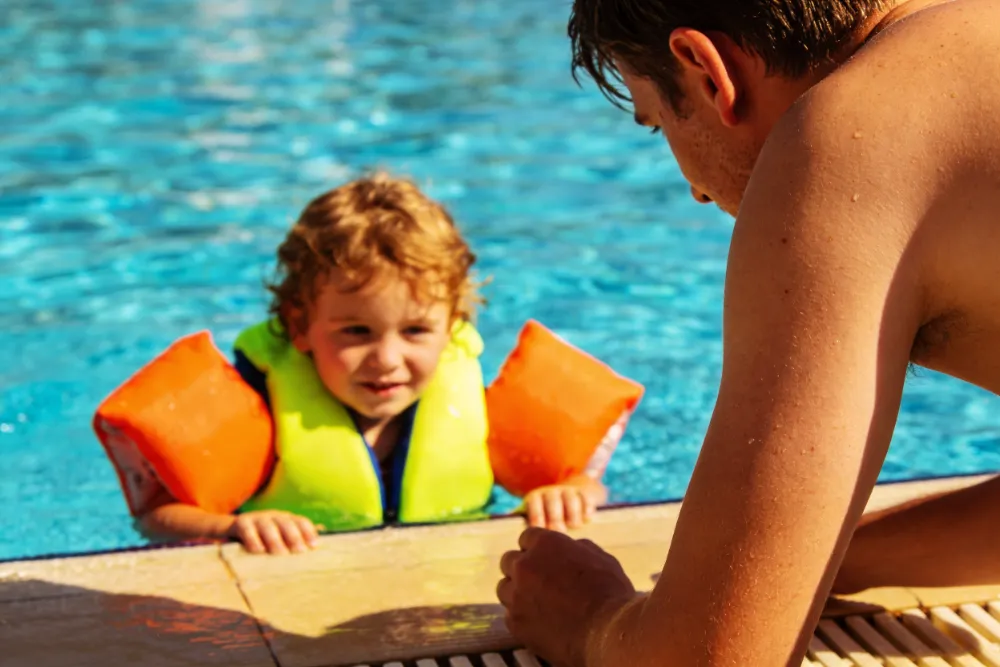
Water Safety Tips: Summer Safety Tips for Kids Near Pools, Lakes, and Beaches
Drowning is one of the leading causes of unintentional injury death among children, according to the CDC. It can happen silently and quickly. Water safety is one area where your attention truly saves lives.
11. Supervise Actively at All Times
Watching a child near water means putting down your phone, stepping away from conversations, and keeping your eyes on them constantly. Designate a water watcher, one adult whose only job is watching the children, especially at group events.
12. Enroll Kids in Swimming Lessons
The American Red Cross and the American Academy of Pediatrics both recommend swimming lessons starting around age 4 for most children. Knowing how to swim dramatically reduces risk. Keep in mind that even strong swimmers need supervision.
13. Use Life Jackets on Open Water
At lakes, rivers, and on boats, US Coast Guard-approved life jackets are essential. Arm floaties and pool toys are not substitutes. They do not provide the support a real life jacket does.
14. Establish Pool Rules and Stick to Them
No running on the pool deck, no diving in shallow water, and always swim with a buddy. These are not just suggestions. They are rules that need to be consistent every single time.
15. Learn CPR
Every parent and caregiver who spends time near water with children should know how to perform CPR. The Red Cross and many local fire departments offer short certification courses. It is one of the most valuable skills you can have.
Outdoor Activity Safety: Bikes, Bugs, and Beyond
Summer means kids are active and often independent in ways they are not during the school year. That independence is healthy. It just needs a safety framework around it.
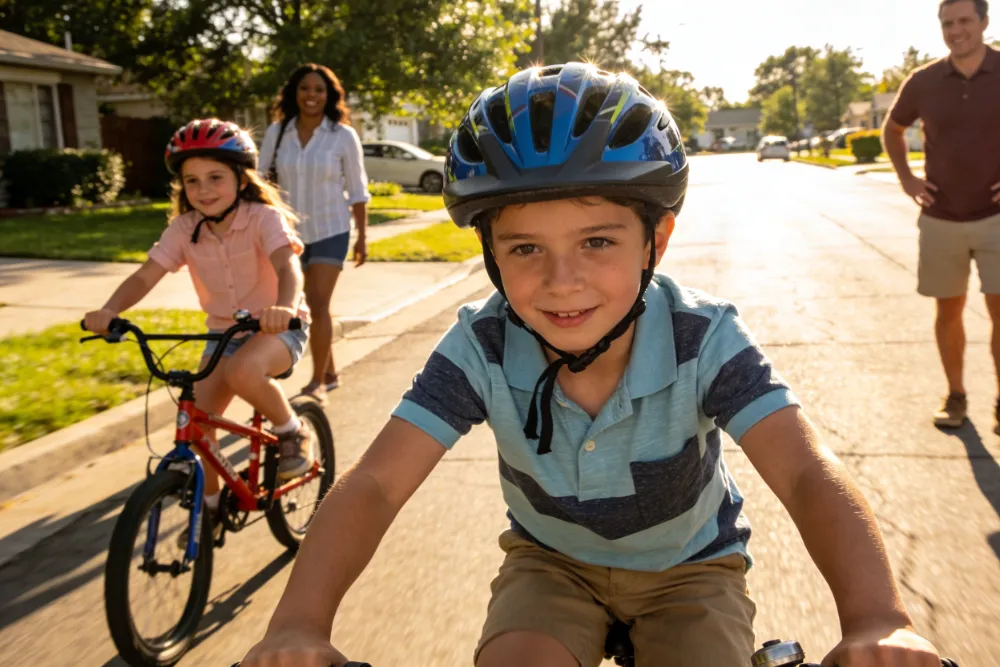
16. Helmets Every Single Ride
Bike helmets reduce the risk of head injury by up to 85 percent, according to data from the National Highway Traffic Safety Administration. Whether your child is going around the block or riding to a friend’s house, the helmet goes on first. Same rule applies for scooters and skateboards.
17. Apply Bug Repellent in Wooded or Grassy Areas
Ticks carry Lyme disease, and mosquitoes can transmit illnesses like West Nile virus. The CDC recommends using EPA-registered insect repellents on children over 2 months old. Apply to exposed skin and avoid the hands, eyes, and mouth.
18. Teach Children to Identify Poison Ivy
Leaves of three, let it be. This old saying is a simple first lesson. Show your children pictures of poison ivy, poison oak, and poison sumac before they spend time in wooded areas, and remind them not to touch unfamiliar plants.
19. Set Clear Boundaries for Where Kids Can Go
Especially for younger children, know where they are playing and set physical boundaries they understand. Check in regularly. As kids get older, use a simple check-in system so you always know their location.
20. Keep a Basic First Aid Kit Nearby
Minor cuts, scrapes, and insect stings happen in summer. Having a well-stocked kit at home and in the car means you can handle small injuries quickly without panic.
First Aid Kit Summer Essentials
- Adhesive bandages in multiple sizes
- Antiseptic wipes and antibiotic ointment
- Tweezers (for splinters and ticks)
- Hydrocortisone cream for insect bites
- Children’s pain reliever
- Emergency contact numbers
Summer Online Safety: Digital Summer Safety Tips for Kids at Home
With more free time comes more screen time. Summer break often means kids are online longer and with less structure than usual. That is completely normal, but it does require a different kind of safety awareness.

21. Keep Screens in Common Areas
Tablets, laptops, and phones should be used in living rooms and kitchens, not in bedrooms with the door closed. This one simple habit makes it much easier to stay aware of what your child is doing online without hovering over them constantly.
22. Set Clear Screen Time Limits
The American Academy of Pediatrics recommends consistent limits on screen time for children and teens, focusing on the quality of content as well as the quantity of time. Use built-in parental controls on devices or apps like Google Family Link to create daily limits.
Helpful resources
7 Warning Signs Your Child Is Talking to Strangers Online
Discover the most common signs your child may be communicating with strangers online and how parents can respond safely and calmly.
23. Talk About Online Strangers
Make sure your children know that people online are not always who they say they are. This is especially important on gaming platforms, social apps, and messaging services. Teach them never to share personal information like their address, school name, or phone number with someone they only know online.
24. Use Parental Controls and Privacy Settings
Review the privacy settings on any platform your child uses. Make accounts private, disable location sharing, and turn off features that allow strangers to send direct messages. Most platforms have parent guides available on their support pages.
25. Keep the Conversation Open and Ongoing
Perhaps the most powerful digital safety tool you have is trust. Let your children know they can come to you if something online makes them uncomfortable, scared, or confused. Avoid reacting with immediate punishment if they share something concerning. That openness is what keeps them safe long-term.
Helpful resources
How to Build Healthy Digital Habits for Kids: A Practical Guide for Parents
Learn practical ways to help children build healthy screen habits, balance technology use, and create safer digital routines at home
Frequently Asked Questions
What are the most important summer safety tips for kids?
The most critical areas to focus on are sun protection, water safety, heat and hydration, and outdoor activity safety. Always supervise children near water, apply sunscreen daily, keep kids hydrated, and use proper safety gear like helmets and life jackets. Adding basic online safety habits rounds out a complete approach for the summer season.
How can I protect my child from heat illness this summer?
Make sure your child drinks water consistently throughout the day, not just when thirsty. Dress them in light, breathable clothing, limit outdoor activity during peak heat hours, and know the warning signs of heat exhaustion such as dizziness, heavy sweating, and pale skin. Never leave a child in a parked car, even for a minute.
Are summer safety tips for kids different for younger children versus older ones?
Yes, absolutely. Younger children need much more direct supervision near water, in heat, and outdoors generally. They cannot communicate discomfort as clearly and tire faster. Older children and teens can handle more independence, but they still need clear rules, regular check-ins, and especially guidance around online safety, which becomes more relevant as kids get older.
How do I balance letting my kids be independent with keeping them safe?
Start with clear, simple rules that your child understands, like always wearing a helmet, checking in when moving to a new location, and never swimming alone. Then give them age-appropriate freedom within those boundaries. The goal is not to eliminate risk but to reduce it. Children build confidence and resilience through outdoor play and independence, and your job is to make sure the environment is as safe as reasonably possible.
How much sunscreen should I apply to my child, and how often?
Use a nickel-sized amount for the face and a generous amount for the body. The Skin Cancer Foundation recommends about one ounce (a full shot glass) for full body coverage. Apply 15 to 20 minutes before sun exposure and reapply every two hours, or immediately after swimming or toweling off. Cloudy days are not an exception. UV rays pass through clouds easily.
Final Thoughts: A Safer Summer Starts with You
Summer is meant to be enjoyed, and with the right preparation, it absolutely can be. These 25 summer safety tips for kids cover the full picture, from sunscreen and hydration to water supervision, outdoor activity, and screen time. None of them require perfection. They just require consistency and intention.
You do not have to implement everything at once. Start with the areas where your family spends the most time this summer. If your kids love the pool, water safety comes first. If they are big cyclists, make helmets non-negotiable. Layer in the rest as the season goes on.
We know parenting is already a lot. Our hope is that these tips make summer feel a little less overwhelming and a little more confident. You have got this.