

We’ve all been there. It’s 5 PM, dinner needs to start cooking, and your little one is asking for “just one video” while you prep. YouTube Kids seems like the perfect solution, right? After using it extensively with our own children and talking to countless other parents, we’re here to share what we’ve really discovered about this platform’s safety, especially when it comes to YouTube Kids safety and how reliable it truly is for families.
Let’s be honest. The question isn’t just whether YouTube Kids is safe, it’s whether any digital platform can truly protect our children while still engaging them. We’ve spent months digging into every corner of this app, and what we found might surprise you.
What YouTube Kids Actually Does Well
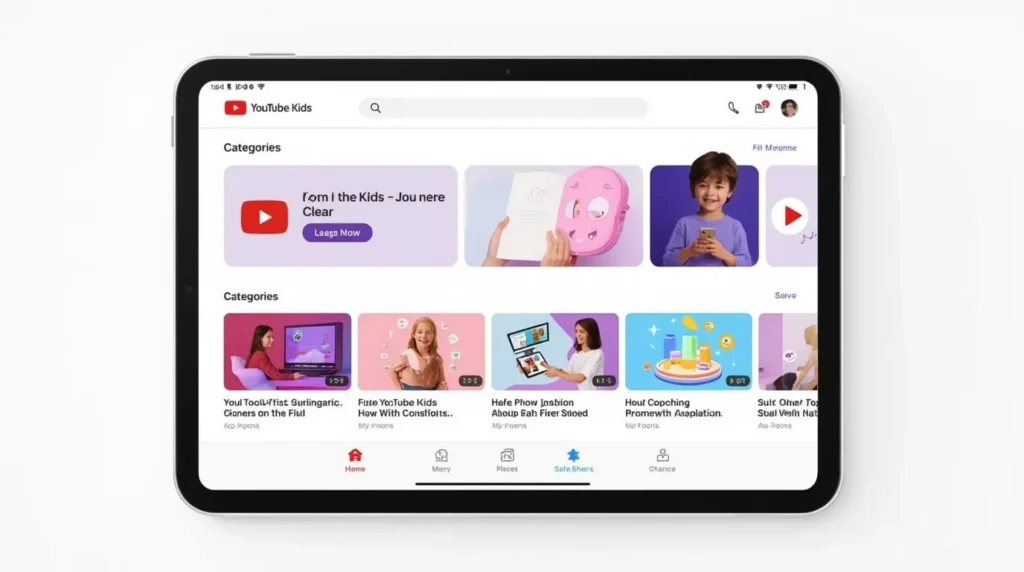
First, let’s give credit where it’s due. YouTube Kids isn’t the wild west of regular YouTube. We noticed immediately that the interface feels different, calmer somehow. The bright colors and simple navigation make sense for tiny fingers that accidentally tap everything.
The content filtering actually works most of the time. We say “most” because perfection doesn’t exist in the digital world, and we’d rather be honest with you than pretend otherwise. When we set up profiles for different age groups, the app genuinely tries to match content appropriately. Our four-year-old sees different videos than our eight-year-old, and that matters.
What really impressed us was the timer feature. You know those negotiations about “five more minutes” that somehow turn into an hour? The app handles that for you. When time’s up, it’s up. No arguments with a screen, just a friendly reminder that playtime is over.
The Real Concerns We Can’t Ignore
Now for the part that keeps us up at night. Despite YouTube’s best efforts, inappropriate content sometimes slips through. We’re talking about those weird animated videos with familiar characters doing bizarre things. You’ve probably heard about them. We’ve seen them firsthand, and yes, they’re as unsettling as people say. Common Sense Media’s YouTube Kids Review👉
The algorithm learns from watching habits, which sounds great until you realize your child’s innocent dinosaur interest somehow led to conspiracy theory content about extinct animals. It happens faster than you’d think. One minute they’re watching T-Rex facts, three videos later they’re hearing about government cover-ups. We caught this happening with our nephew, and it shook us.
The Advertising Problem Nobody Talks About Enough
Here’s something that really bothers us. Even in the paid version, promotional content exists. Sure, it’s not traditional commercials, but toy unboxing videos and product reviews are basically 10-minute ads disguised as entertainment. Our kids started asking for specific toys they’d never heard of before YouTube Kids. Coincidence? We don’t think so.
The pressure builds subtly. Children watch other kids with mountains of toys, elaborate playrooms, and endless treats. We’ve noticed our own children becoming less satisfied with what they have. It’s heartbreaking when your six-year-old says their birthday wasn’t as good as the YouTube kid’s party they watched.
Privacy Settings That Actually Matter
We need to talk about data collection because it affects our children’s digital footprint before they can even write their names. YouTube Kids collects viewing history, search terms, and device information. We found you can actually turn off search history and pause watch history, but these options hide in the settings menu.
Here’s what we do now. We regularly clear the watch history and turned off search completely for younger kids. Yes, it limits discovery, but we’d rather choose videos ourselves than let an algorithm decide. Call us controlling, but we sleep better this way.
The location tracking surprised us most. Why does a video app need to know where our children are? We turned this off immediately. You should too. Go to settings, privacy, and disable everything you’re uncomfortable with. Trust us on this one.
Our Practical Safety Strategy
After all our research and real-world testing, we’ve developed a system that works for our family. We watch the first few minutes of any new channel together. It takes time, yes, but we’ve caught so many red flags this way. Strange voice-overs, hidden messages, and plain weird content that somehow passed the filters.
We created a playlist of approved channels. PBS Kids, National Geographic Kids, and similar trusted sources became our foundation. Our children can freely watch anything from these creators. Everything else requires permission. Some parents think we’re too strict. Maybe we are, but we’ve seen too much to relax completely.
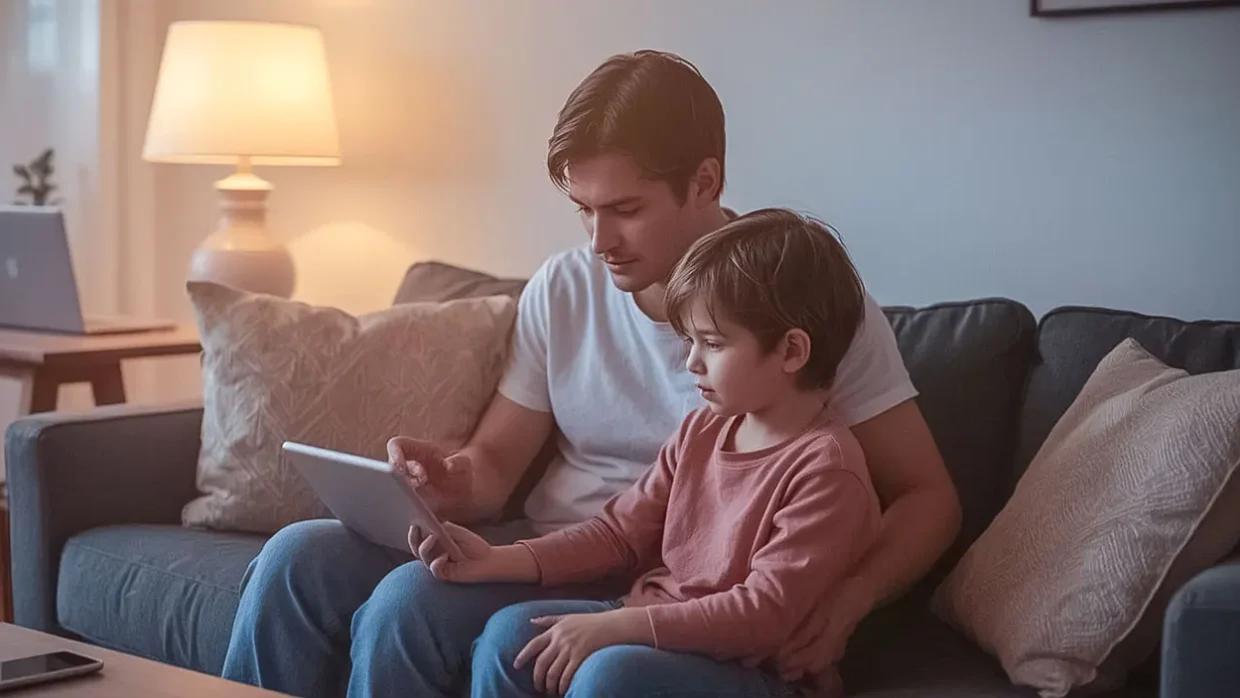
Screen time happens in common areas only. No tablets in bedrooms, ever. This rule faced resistance initially, but now it’s just how things work in our house. We can hear what they’re watching, and more importantly, they can ask questions when something confuses them.
The Co-Viewing Reality Check
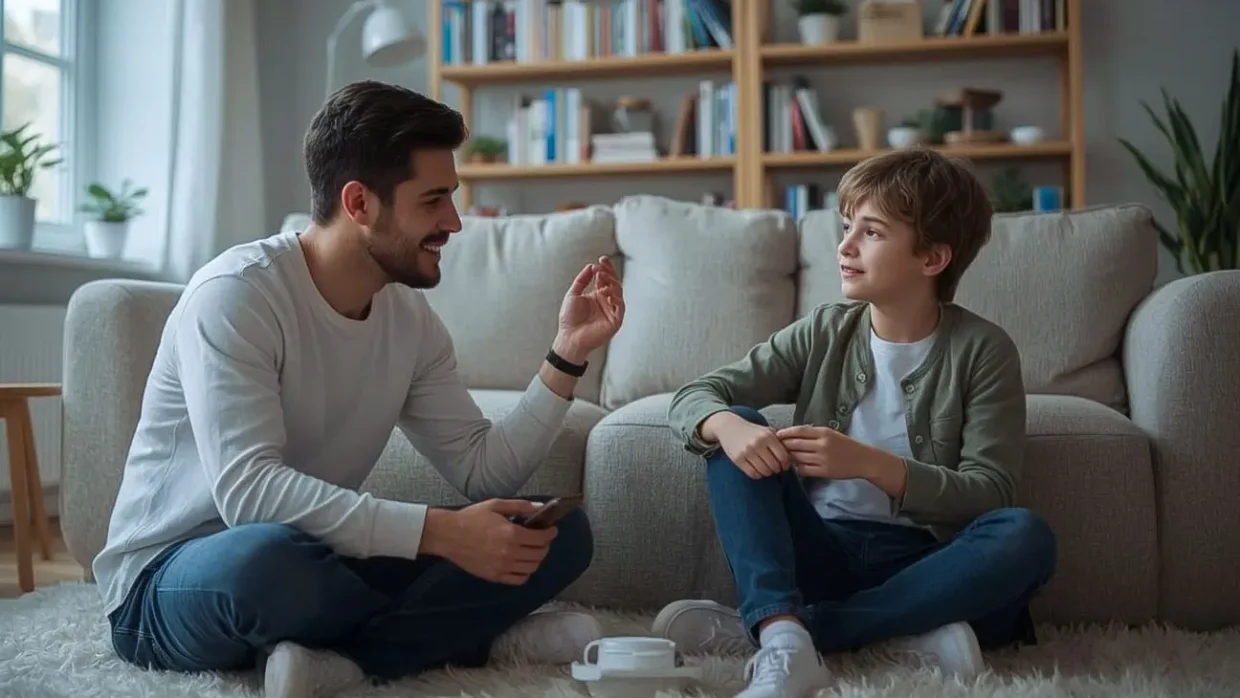
Everyone says “watch with your kids” like we all have endless free time. We get it. Life is busy, dishes pile up, work emails don’t stop. But here’s what we learned. You don’t need to watch everything. Pick one video a day to sit through together. Ask questions. Make jokes about the silly parts. This connection matters more than monitoring every second.
We started “video talks” during dinner. Everyone shares one thing they watched and why they liked it. Our youngest once described a crafting video that sounded concerning. Turns out, it was actually fine, but her description helped us understand how differently children interpret content. These conversations revealed more than any parental control app ever could.
The Verdict from Real Parents
So, is YouTube Kids really safe? We believe it’s safer than regular YouTube but not safe enough to use without involvement. Think of it like a playground. Would you drop your child at one you’d never visited and drive away? Probably not. You’d check the equipment, watch for a while, maybe stay the first few times.
YouTube Kids needs the same approach. It’s a tool, not a babysitter. We’ve accepted that perfect safety doesn’t exist online, just like it doesn’t exist offline. But with active participation, clear rules, and honest conversations, we can make it work.
We still use YouTube Kids, but differently now. It’s not our emergency entertainer anymore. Instead, it’s one part of our children’s media diet, balanced with books, outdoor play, and real-world activities. Some days we nail this balance. Other days, we don’t. Welcome to modern parenting, right?
Moving Forward Together
Looking back at our journey with YouTube Kids, we’ve learned that the real safety comes from staying engaged. Technology will keep evolving, new platforms will emerge, and our children will grow more tech-savvy than us. What won’t change is their need for our guidance.
We encourage you to try the platform yourself before deciding. Set up a kids profile and spend an hour exploring. You’ll quickly see both the benefits and the risks. Your comfort level might differ from ours, and that’s okay. Every family needs their own approach.
Remember, you’re not failing if you use screen time for sanity. We all do it. The key is being intentional about it. Choose quality over quantity, stay curious about what captures your child’s attention, and keep those communication channels open. Our kids will face digital challenges we can’t even imagine yet. The best protection we can offer is teaching them to think critically about what they consume.
Helpful resources
How to Talk to Your Kids About Internet Strangers
A simple guide to help parents start safer conversations with kids about online strangers and how to respond to risky interactions.
How Much Screen Time is Too Much? Age-by-Age Breakdown
A clear breakdown of healthy daily screen time limits for each age group, with practical tips for balancing digital life.
10 Hidden Online Dangers Every Parent Should Know About
An essential list of the most overlooked digital risks kids face today and how parents can spot and prevent them early.