

If your child has ever hummed a sound you didn’t recognize or started doing a dance move you’ve never seen before, there’s a good chance TikTok is already part of their world. But that raises an important question many parents are asking today: is TikTok safe for kids? It’s one of the most downloaded apps on the planet, and its short, fast, endlessly entertaining videos have a way of pulling kids in within minutes, …making it both fascinating and genuinely concerning for parents, despite TikTok’s built-in tools and resources available in its Safety Center.
We get it. The questions parents ask us most often about whether TikTok is safe for children aren’t dramatic or overblown. They’re practical. “Should I allow this?” “What can my child actually see?” “How do I set it up safely if I do say yes?” When asking “Is TikTok Safe for Kids?”, these are exactly the right questions, and they deserve honest, clear answers.
In this guide, we walk you through everything you need to know about TikTok and kids, including the real risks, the built-in safety tools, age-appropriate guidelines, and the conversations worth having with your family. If you have been wondering “Is TikTok Safe for Kids?”, this article will help you make a more informed and balanced decision as a parent.
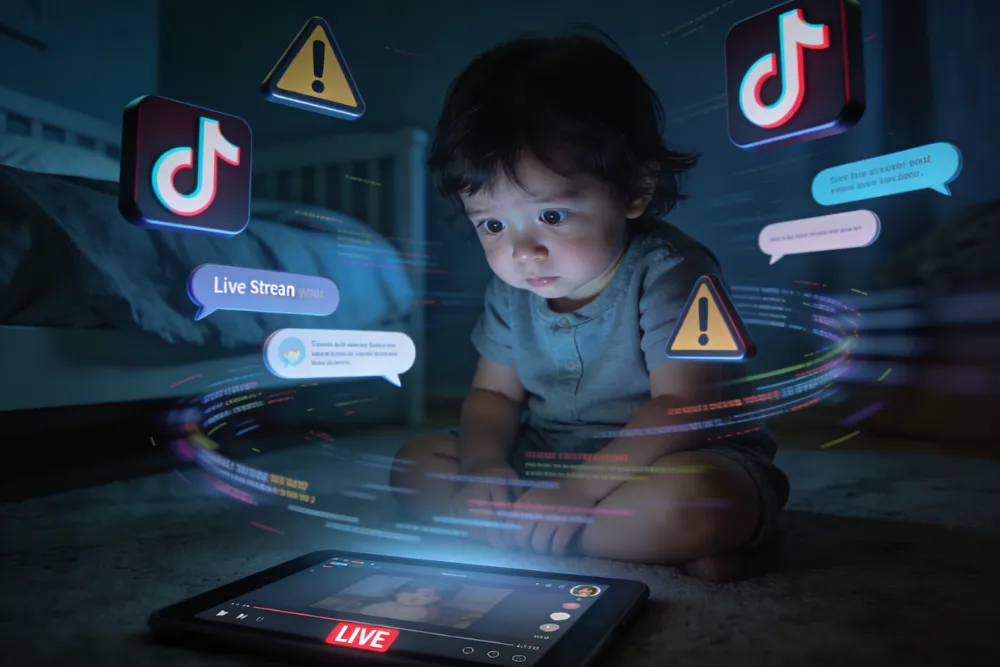
What Is TikTok and Why Are Kids So Drawn to It?
TikTok is a short-form video platform where users create, share, and watch videos that typically run between 15 seconds and 10 minutes. It launched globally around 2018 and has since grown to over one billion active users worldwide.
What makes it so addictive for young people isn’t one single feature. It’s the combination. The algorithm learns quickly what a viewer likes and keeps serving more of it. There’s humor, music, dancing, life hacks, cooking, animals, sports highlights, and everything in between. For kids who are curious, bored, or socially motivated, TikTok offers a constant stream of content that feels personally tailored.
There’s also a creative side. Many kids aren’t just watching. They’re making videos, building audiences, and connecting with peers. That creative outlet is real and valuable. But it exists inside a platform that wasn’t designed with children as the primary concern, which leads many parents to ask an important question: is TikTok safe for kids?
what is the age limit for tiktok?
When asking is TikTok safe for kids, understanding the platform’s official age requirements is an important first step. TikTok’s terms of service require users to be at least 13 years old to create an account. Users under 16 are restricted from certain features like direct messaging and live streaming. Users under 18 cannot make purchases.
In practice, though, the age verification process is minimal. A child who knows their parent’s birth year can sign up with a false date in about 30 seconds. TikTok has acknowledged this limitation and has taken some steps to address it, but the barrier remains low.
What About Kids Under 13?
TikTok does offer a version of the app for younger children in some regions, where viewing is limited to curated content and creating or commenting is restricted. However, this is not consistently available across all countries, and many young children simply use the regular app with a falsified age. This is one of the main reasons parents continue asking, “Is TikTok Safe for Kids?”, especially when age restrictions can be easily bypassed.
If your child is under 13, our honest recommendation is this: the standard TikTok app is not designed for them. Even with filters and supervision, the open nature of the platform creates exposure risks that are difficult to fully manage at that age.
Helpful resources
Is YouTube Kids Safety Really Enough? A Parent’s Honest Review
An honest look at whether YouTube Kids truly protects children online, including hidden risks, safety features, and what parents should know before allowing access.
The Real Risks Parents Should Know About
We don’t want to exaggerate, and we won’t. Not every child who uses TikTok will encounter something harmful. But the risks are real, and understanding them helps you make a more informed decision.
Inappropriate Content
TikTok’s algorithm is powerful, but it isn’t perfect. Content that is violent, sexually suggestive, or emotionally disturbing can surface even when a user hasn’t searched for it. Children’s accounts are not completely insulated from this, particularly if the Restricted Mode setting isn’t enabled.
A 2021 investigation by researchers at the Center for Countering Digital Hate found that after creating accounts registered as 13-year-olds, the algorithm served explicit or harmful content within minutes in some cases. That’s a sobering finding, even if individual experiences vary widely.
Screen Time and Behavioral Impact
The scrolling format of TikTok is engineered to minimize stopping points. Unlike a YouTube video with a clear ending, TikTok autoplays the next video the moment the current one ends. This design makes it genuinely hard to stop, even for adults. For children whose impulse control is still developing, the effect can be more pronounced.
Pediatric researchers have raised concerns about links between heavy short-form video consumption and shorter attention spans, disrupted sleep, and reduced tolerance for slower-paced activities. These aren’t definitive conclusions, but they’re worth factoring into your family’s screen time approach.
Cyberbullying and Social Pressure
The comment sections on TikTok can be warm and encouraging. They can also be brutal. Children who post videos face the possibility of negative comments, mockery, or coordinated harassment. Even watching others be treated that way can affect how children feel about themselves and their peers.
There’s also a subtler form of pressure. Seeing peers gain thousands of likes for certain types of content, or watching beauty and body standards play out in video after video, can quietly shape how children see themselves. This is especially relevant for pre-teen and teenage girls, where research consistently shows links between heavy social media use and lower self-esteem.
Privacy and Data Collection

TikTok collects a significant amount of user data, including location, device information, browsing behavior, and biometric identifiers in some cases. For children, this raises legitimate concerns both about privacy and about how that data is stored and used. There have been ongoing regulatory and geopolitical questions about TikTok’s data practices in multiple countries, and these conversations are still evolving.
Contact from Strangers
If a child’s account is set to public, anyone can view their content, comment, and in some cases send messages. Predatory behavior on social platforms, including TikTok, is documented. While TikTok has restricted direct messaging for users under 16, those protections depend on accurate age information, which we know isn’t always the case.
Helpful resources
Best Parental Control Apps for Kids (Tested by Parents)
Discover the best parental control apps for kids, tested by real parents to help manage screen time, filter content, and keep children safer online.
TikTok’s Built-In Safety Features for Families
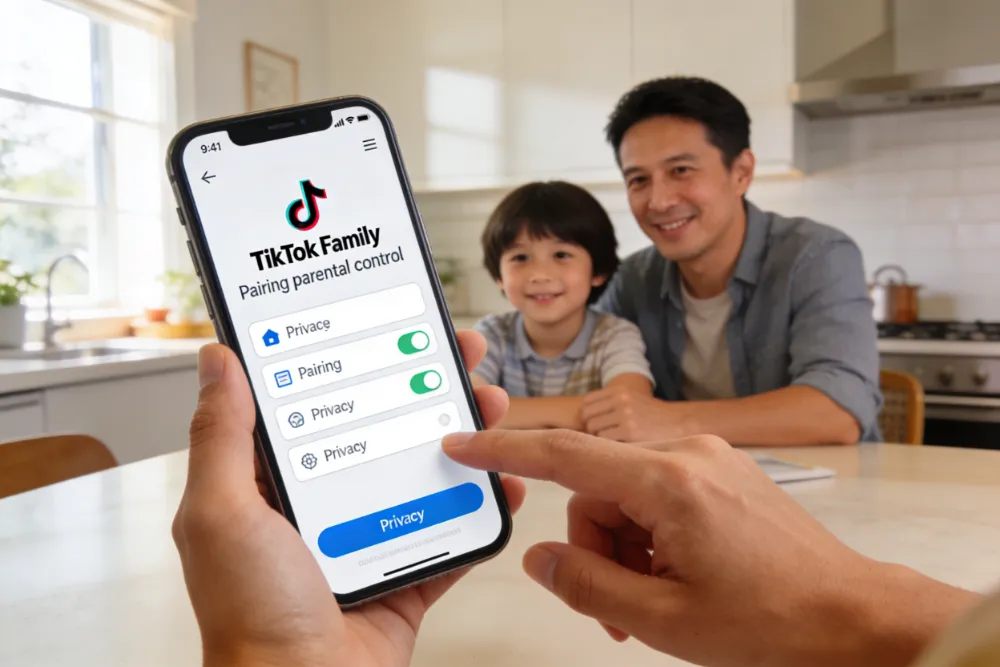
Here’s where things get more practical. TikTok does offer tools that genuinely improve safety, and they’re worth knowing how to use.
Family Pairing
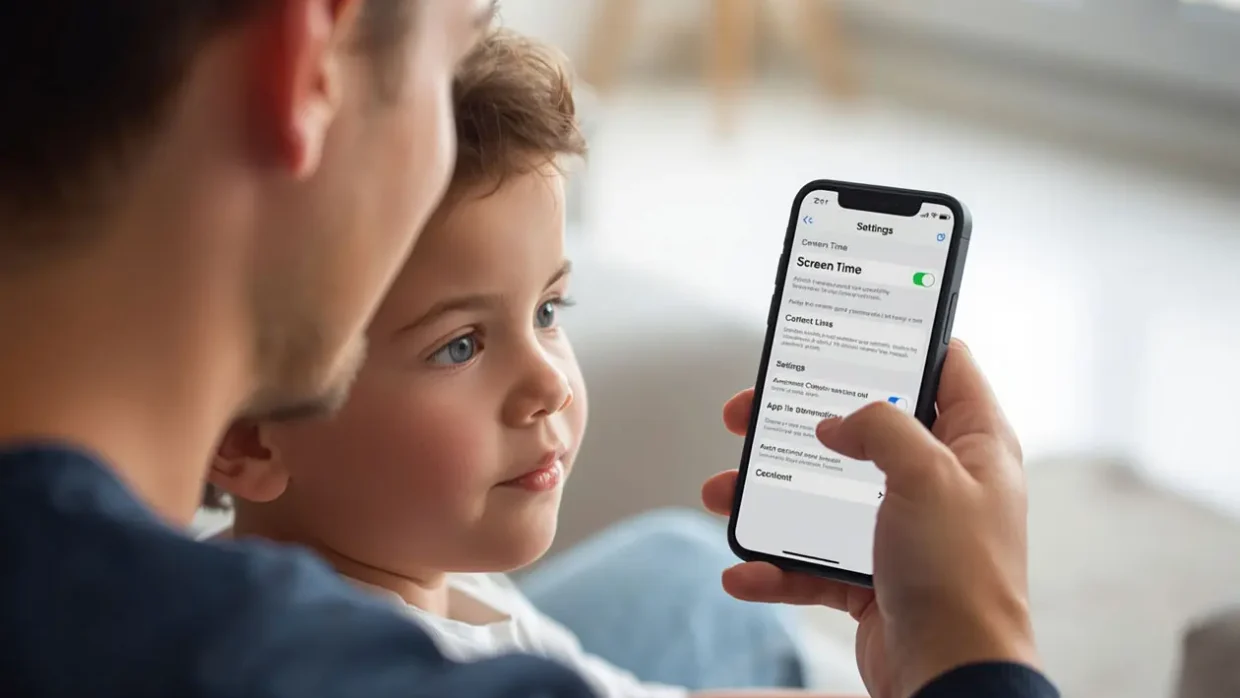
Family Pairing is TikTok’s parental control system, and it’s actually quite useful. It links your account to your child’s account, allowing you to manage settings remotely from your own phone. Once linked, you can control:
- Screen time limits, including daily caps and a scheduled “downtime” window
- Search restrictions, which prevent your child from searching for content independently
- Restricted Mode, which filters out content flagged as inappropriate
- Direct messages, allowing you to turn off messaging entirely
- Discoverability, which limits who can find and follow your child’s account
Setting this up takes about five minutes. We’d encourage any parent whose child uses TikTok to make this a non-negotiable starting point.
Privacy Settings
Beyond Family Pairing, TikTok offers individual privacy settings that you and your child can configure together. You can set the account to private, meaning only approved followers can see posted videos. You can restrict who can comment, duet, or use your child’s content in their own videos. Taking 15 minutes to walk through these settings together can significantly reduce unwanted exposure.
Restricted Mode
Restricted Mode works similarly to YouTube’s Safe Mode. It filters out content that doesn’t meet community guidelines or that has been flagged as unsuitable for younger audiences. It isn’t perfect. Some content slips through. But it meaningfully reduces the likelihood of stumbling onto graphic or adult material.
Age-by-Age Guidance for Parents
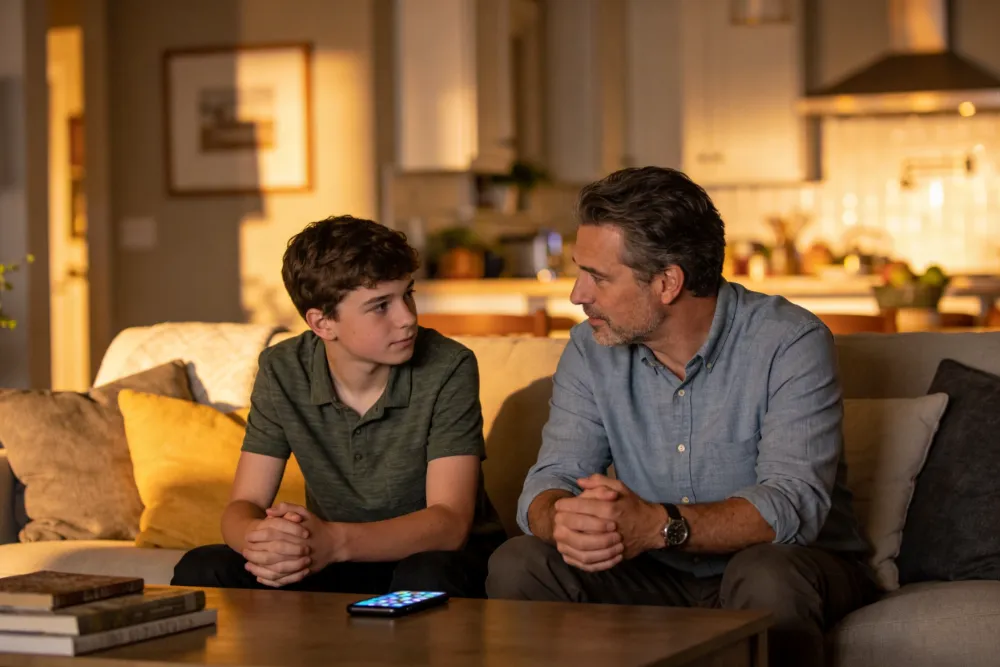
Every child is different, and every family has different values and risk tolerance. That said, we find it helpful to think about TikTok in developmental stages.
Under 10
We would advise against TikTok entirely at this age, including supervised use of the standard app. The content environment is too unpredictable, and younger children don’t have the cognitive tools yet to process what they might encounter or recognize manipulation. There are excellent curated video platforms designed specifically for younger children that offer a much safer experience.
Ages 10 to 12
This is a gray area. Many children this age are curious about TikTok and feel left out if their peers are using it. If you decide to allow access, we strongly recommend keeping the device in shared family spaces, enabling all available parental controls, and reviewing the app together regularly. Co-viewing, where you watch alongside your child and talk about what you see, is one of the most effective tools available at this age.
Ages 13 to 15
At this age, TikTok becomes a more realistic option, provided the safety features are in place and there’s ongoing conversation at home. Children this age need guidance more than restriction. Talking openly about what they see, how the algorithm works, and what to do if something makes them uncomfortable matters far more than trying to block every risk.
Ages 16 and Up
Teenagers have more capacity to navigate complex social environments, but they’re not immune to the platform’s pressures. The conversation shifts from control to trust and ongoing dialogue. Make sure they know your door is open if something online ever feels wrong.
Practical Tips for Safer TikTok Use
These are the steps we recommend most often to parents navigating this.
1. Set up Family Pairing before your child uses the app. Don’t add the controls after the fact. Make it a condition of access from the start.
2. Keep devices in common areas during TikTok time. This isn’t about surveillance. It’s about natural visibility and easier conversation.
3. Follow your child’s account. You don’t need to comment on everything, but knowing what they’re posting and watching keeps you connected.
4. Talk about the algorithm. Older children especially benefit from understanding that TikTok’s goal is engagement, not wellbeing. Knowing this helps them think more critically about how they feel after using it.
5. Set clear time boundaries. The American Academy of Pediatrics suggests that for children aged 6 and older, consistent limits on screen time help protect sleep and other activities. TikTok’s own screen time tools can support this.
6. Know the reporting process. Show your child how to report content or block an account. Knowing they have control over their experience makes them more likely to take action if something feels wrong.
7. Check in regularly. Not as interrogation. Just as normal conversation. “Seen anything funny lately? Anything weird?” goes a long way.
What to Do If Your Child Encounters Something Harmful
Even with every safeguard in place, something may surface that upsets or confuses your child. How you respond matters enormously.
Stay calm. A child who sees a parent panic is less likely to come to them next time. Acknowledge what they saw or experienced, validate that it was upsetting, and address it at the level appropriate to the content. For serious situations, including contact from unknown adults, disturbing content involving real people, or anything that suggests your child is being targeted, report it to TikTok directly and keep a record. If contact from a stranger crosses into safety concerns, law enforcement resources are available, and you don’t have to navigate that alone.
A Note on the Bigger Conversation
The question of whether TikTok is safe for kids doesn’t have a single yes or no answer. It depends on your child’s age and maturity, the precautions you put in place, how much ongoing involvement you maintain, and the broader digital habits your family has established.
What we do believe is that the parents who stay informed and stay engaged produce better outcomes than those who either panic and restrict everything, or hand over a device and hope for the best. Children whose parents talk with them about technology, rather than just managing it from a distance, develop stronger critical thinking skills and greater resilience online.
TikTok is a powerful platform. Used thoughtfully, with the right guardrails and regular conversation, it doesn’t have to be a source of constant worry.

Conclusion
So, is TikTok safe for kids? With the right age boundaries, parental controls, and ongoing family conversations, it can be managed responsibly for older children and teens. For younger kids, the risks outweigh the benefits in most cases.
The most important thing you can do isn’t find a perfect filter. It’s stay curious and stay connected. Know what your child is watching. Ask about it. Let them know you’re not there to police their every scroll but to help them navigate a world that can sometimes be complicated.
We’re here to help you do exactly that.
Frequently Asked Questions
Is TikTok safe for kids under 13?
TikTok’s standard app is generally not recommended for children under 13 due to unpredictable content, privacy concerns, and exposure risks.
What age is appropriate for TikTok?
TikTok officially requires users to be at least 13 years old. Many parents feel it is more suitable for older teens when parental controls and safety settings are enabled.
Does TikTok have parental controls?
Yes. TikTok offers Family Pairing, which allows parents to manage screen time, privacy settings, direct messages, and content restrictions from their own device.
Can strangers contact kids on TikTok?
If an account is public, strangers may be able to interact through comments or messages. Setting the account to private and enabling safety features can greatly reduce these risks.
How can I make TikTok safer for my child?
Use Family Pairing, enable Restricted Mode, keep accounts private, set screen time limits, and maintain open conversations about online safety and what your child watches.