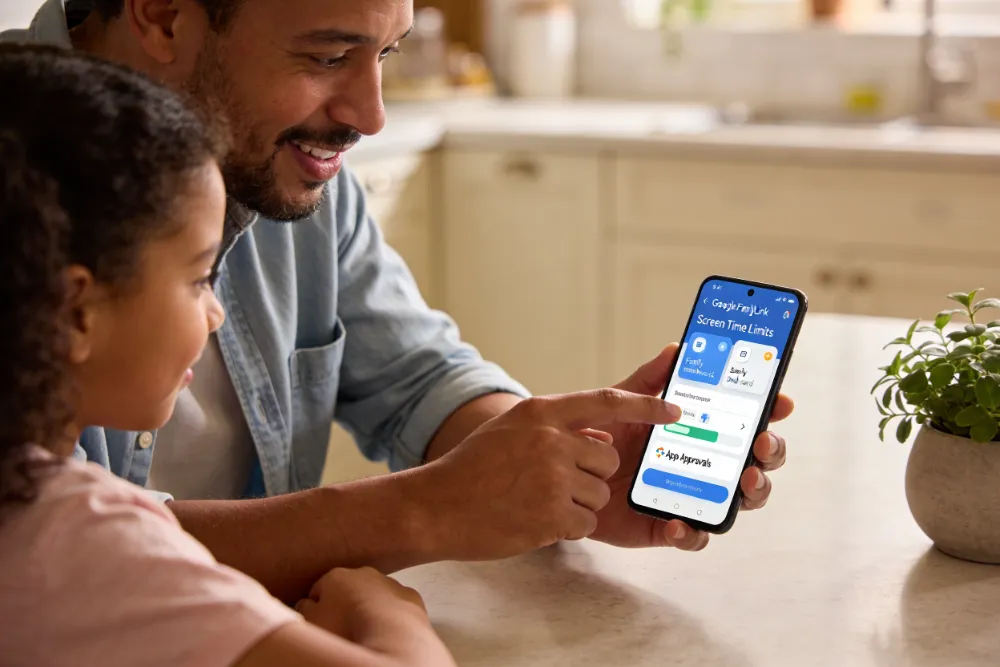


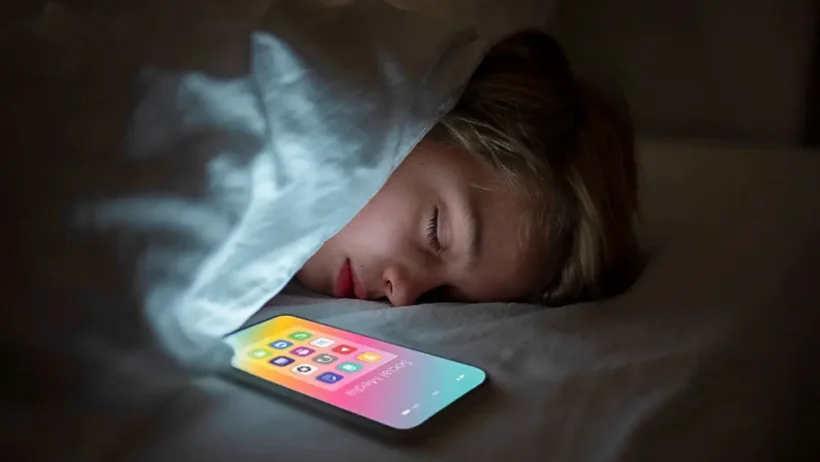
Look, we need to have an honest conversation about screens. They’re everywhere, and let’s face it, we’re all a bit addicted. But when it comes to our kids (and honestly, ourselves too), how much is actually too much? We’ve dug deep into the research, talked to experts, and compiled everything you need to know about healthy screen time at every age.
Here’s the thing: there’s no one-size-fits-all answer. What works for a toddler definitely won’t work for a teenager. And you know what? That’s okay. We’re here to break it all down for you, age by age, without the judgment.
Understanding the Screen Time Dilemma
Before we dive into the numbers, we need to acknowledge something. Screens aren’t inherently evil. We use them for learning, connecting, creating, heck, you’re reading this on one right now. The real question isn’t whether screens are bad; it’s about finding that sweet spot between digital engagement and real-world experiences.
The research keeps evolving. American Academy of Pediatrics – Media Use Guidelines, and honestly? Sometimes it feels overwhelming. One study says this, another says that. We get it. That’s why we’ve focused on the most consistent, evidence-based recommendations while keeping things practical for real families living in the real world.
Babies and Toddlers (0-2 Years): The Foundation Years
Alright, parents of little ones, we’ll start with you. The official recommendation from pediatric experts is pretty clear: UNICEF – Digital Safety & Screen Time Advice: avoid screens for babies under 18 months, except for video chatting with grandma. Between 18-24 months? If you choose to introduce screens, watch together and talk about what you’re seeing.
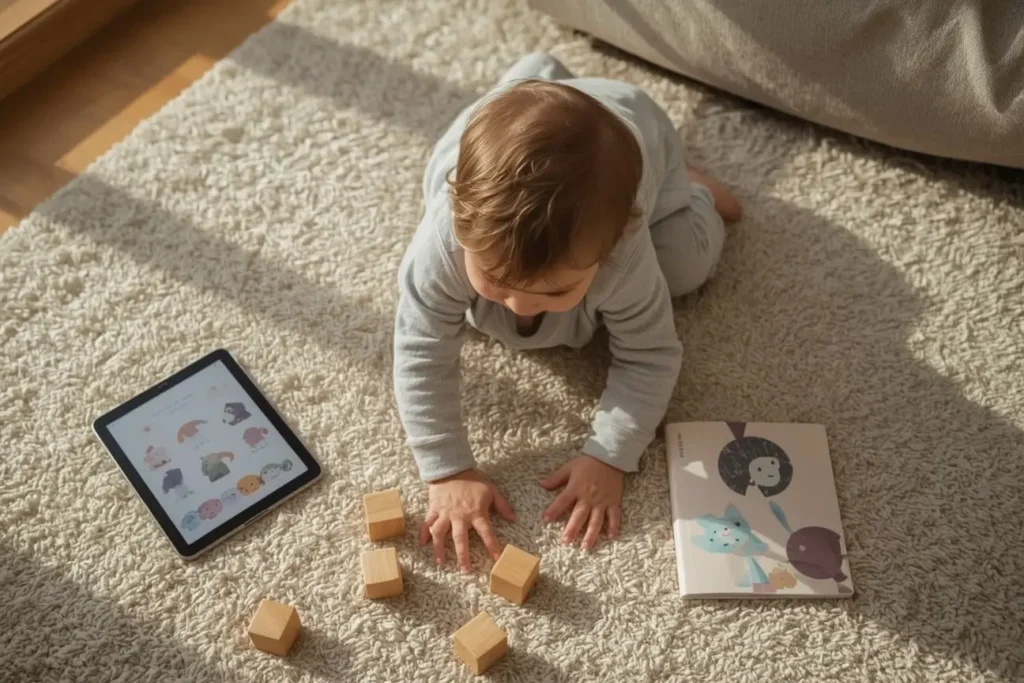
Now, we know what you’re thinking. “But what about when I need five minutes to shower?” We’re not here to make you feel guilty. Life happens. The key is intention. Those educational apps marketed to babies? Research shows they don’t actually help with learning at this age. Real interaction, peek-a-boo, singing, reading board books, that’s the gold standard.
What we’ve learned: Young brains need three-dimensional experiences. They need to touch, taste (everything goes in the mouth, right?), and physically explore their world. Screens are 2D, and at this age, that’s just not enough.
Preschoolers (3-5 Years): The Exploration Phase
This is where things get interesting. Preschoolers can actually benefit from high-quality educational content—think PBS Kids, not YouTube autoplay rabbit holes. The recommendation? One hour per day of quality programming, preferably co-viewed with an adult.
But here’s what we’ve noticed: it’s not just about the time; it’s about the timing. Screen time right before bed? Recipe for disaster. During meals? We’re missing connection opportunities. The sweet spot seems to be mid-morning or early afternoon, when kids are alert but not overstimulated.
Our take: At this age, kids are sponges. They’re learning constantly. Good screen content can supplement learning, teaching letters, introducing new concepts, sparking curiosity. But it should never replace hands-on play, outdoor time, or human interaction. Think of screens as one tool in your parenting toolkit, not the whole toolbox.
Elementary School Kids (6-12 Years): The Balancing Act

Now we’re in tricky territory. Kids this age are using devices for homework, they’re aware of what their friends are doing online, and let’s be honest, they’re probably better at technology than some of us adults.
The general guideline? One to two hours of recreational screen time on school days, maybe a bit more on weekends. But we’ve found that rigid rules often backfire. Instead, we focus on balance. Did they get outside today? Have they completed homework? Did they engage in some non-screen play?
Something we’ve discovered: Kids this age respond well to being part of the conversation. Instead of imposing limits, try creating a family media plan together. When they help make the rules, they’re more likely to follow them. Plus, it opens up discussions about digital citizenship and online safety, crucial topics at this age.
Teenagers (13+ Years): The Digital Natives
Okay, deep breath. Teenagers and screens, it’s complicated. They’re using devices for homework, social connection, creative expression, and yes, endless TikTok scrolling. The research suggests keeping it under two hours for entertainment, but… have you met a teenager recently?
We think the conversation needs to shift here. Instead of just limiting time, we need to talk about quality and purpose. Are they creating or just consuming? Are screens interfering with sleep, physical activity, or face-to-face relationships? These questions matter more than hitting a specific number.
Real talk: Teens are developing their identity, and increasingly, that happens online. We can’t—and shouldn’t, completely disconnect them. But we can help them develop awareness. Teach them to notice how different apps make them feel. Help them recognize when they’re doomscrolling versus when they’re genuinely engaged.
The Adult Reality Check
You didn’t think we’d leave ourselves out, did you? Adults average over seven hours of screen time daily. Seven! And before you say, “But I need it for work,” we’re talking about total time here. We check our phones roughly 96 times per day. That’s once every 10 minutes.
We’re not pointing fingers, we’re all in this together. But if we want to model healthy habits for kids, we need to examine our own relationship with screens. When was the last time you went an entire meal without checking your phone? Or watched a TV show without simultaneously scrolling?
Quality Over Quantity: What Really Matters
Here’s something we’ve realized after years of obsessing over screen time limits: the quality of content and context matters more than raw numbers. An hour building in Minecraft with friends isn’t the same as an hour of passive YouTube consumption. Video chatting with relatives isn’t equivalent to mindless mobile gaming.
We need to ask better questions:
- Is this screen time social or solitary?
- Active or passive?
- Educational or purely entertainment?
- Planned or default behavior when bored?
The answers help us make more nuanced decisions than any strict time limit ever could.
Creating Healthy Screen Habits: Practical Strategies
Let’s get practical. We’ve tried a lot of approaches, and here’s what actually works:
Screen-free zones work wonders. Bedrooms, dining tables, keep these sacred. It’s easier to enforce a location rule than a time rule, and it naturally creates boundaries.
The 20-20-20 rule saves eyes. Every 20 minutes, look at something 20 feet away for 20 seconds. Simple, effective, and even adults should do this.
Transition warnings prevent meltdowns. “Five more minutes” actually means five more minutes. Kids (and honestly, adults) need time to mentally prepare for screen time to end.
Replace, don’t just remove. Taking screens away creates a void. Fill it with something engaging—art supplies, sports equipment, books, board games. Make the alternative attractive, not a punishment.
When Screen Time Becomes a Problem
We need to address this. Sometimes, screen use crosses from normal to problematic. Watch for these signs:
- Mood changes when screens are removed
- Declining grades or abandoned hobbies
- Sleep problems
- Physical complaints (headaches, eye strain, “text neck”)
- Social isolation
- Lying about screen use
If you’re seeing multiple red flags, it might be time to reassess. And you know what? There’s no shame in seeking help. We’ve seen families transform their relationship with technology through counseling or digital detox programs.
The Cultural Context We Can’t Ignore
Let’s acknowledge the elephant in the room: we’re parenting in a digital world. Our kids need tech skills for future careers. They maintain friendships online. During lockdowns, screens were literally lifelines for education and connection.
We can’t and shouldn’t aim for a screen-free childhood. That’s not realistic or even beneficial. Instead, we’re aiming for digital wellness: a healthy, balanced relationship with technology that serves our goals rather than controlling our lives.
Moving Forward: Your Family’s Unique Approach
Here’s our bottom line: every family is different. Your screen time solution won’t look like your neighbor’s, and that’s perfectly fine. What matters is intentionality. Are you making conscious choices about screen use, or just defaulting to devices?
Start where you are. Pick one small change, maybe phones stay in the kitchen during homework time, or Saturday mornings are screen-free until 10 AM. Build from there. Celebrate small wins. And please, give yourself grace. We’re all figuring this out together.
Remember, the goal isn’t perfection. It’s progress. We’re raising kids in an unprecedented digital age, and there’s no perfect playbook. But by staying informed, staying flexible, and keeping communication open, we can help our families develop healthy relationships with technology that will serve them well into adulthood.
Conclusion: Finding Your Balance
So, how much screen time is too much? After all this, you might be frustrated that we haven’t given you a magic number. But that’s because there isn’t one. Too much is when screens interfere with sleep, physical activity, homework, or family relationships. Too much is when your child (or you) feels anxious without a device nearby. Too much is when virtual life becomes more important than real life.
The right amount? It’s what works for your family while maintaining physical health, emotional wellbeing, social connections, and academic or work success. It’s probably less than what we’re currently doing, but it doesn’t have to be zero.
We’re all navigating this together, making mistakes, adjusting course, and trying our best. And honestly? That awareness and effort matter more than hitting any perfect screen time target. Keep the conversation going, stay flexible, and remember: you’re doing better than you think.
Helpful Resources
How to Talk to Your Kids About Internet Strangers
Learn practical, age-appropriate ways to talk to your kids about online strangers, how to spot red flags, and how to build open communication that keeps them safe online.
What is Digital Parenting and Why Every Parent Needs It
A complete introduction to digital parenting: what it means, why it matters today, and how you can guide your child’s online habits with confidence and clarity.
10 Hidden Online Dangers Every Parent Should Know About
Explore the lesser-known risks kids face online—from subtle privacy threats to manipulative design—and learn simple steps to protect your child in a fast-changing digital world.