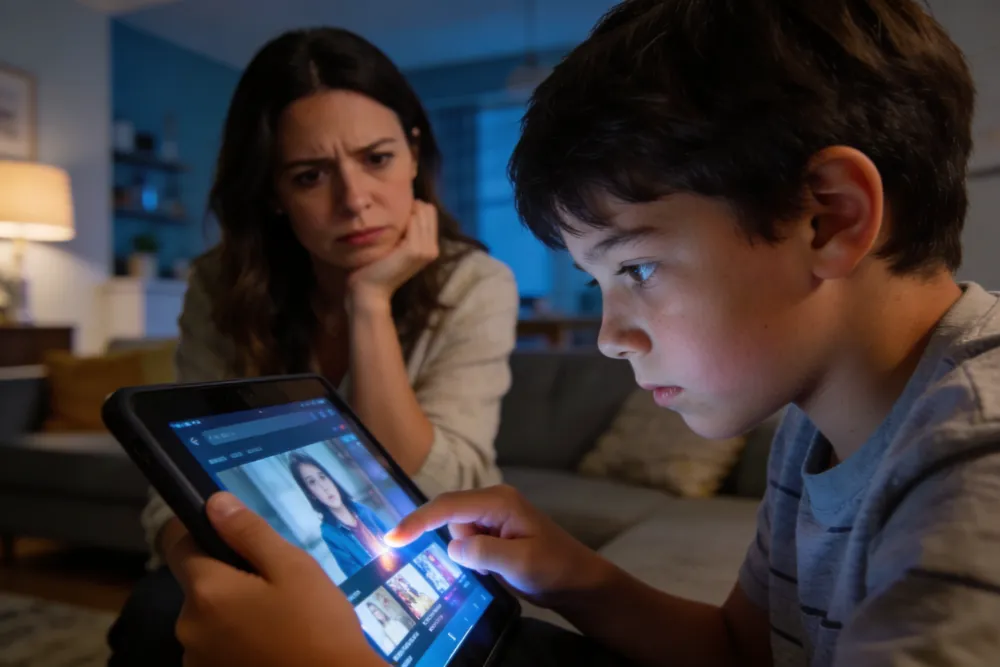



If your child has ADHD, you have probably noticed that screens hold a particular kind of grip on them. A show that was supposed to last 20 minutes turns into two hours. A gaming session ends in a meltdown when you ask them to stop. You are not imagining it, and you are definitely not alone.
ADHD and screen time interact in ways that can make everyday parenting feel unusually hard. Understanding why this happens is the first step toward managing it. In this guide, we walk you through the science, the warning signs, and the practical strategies that actually work for families navigating ADHD and digital life.
Why ADHD and Screen Time Are Such a Challenging Combination
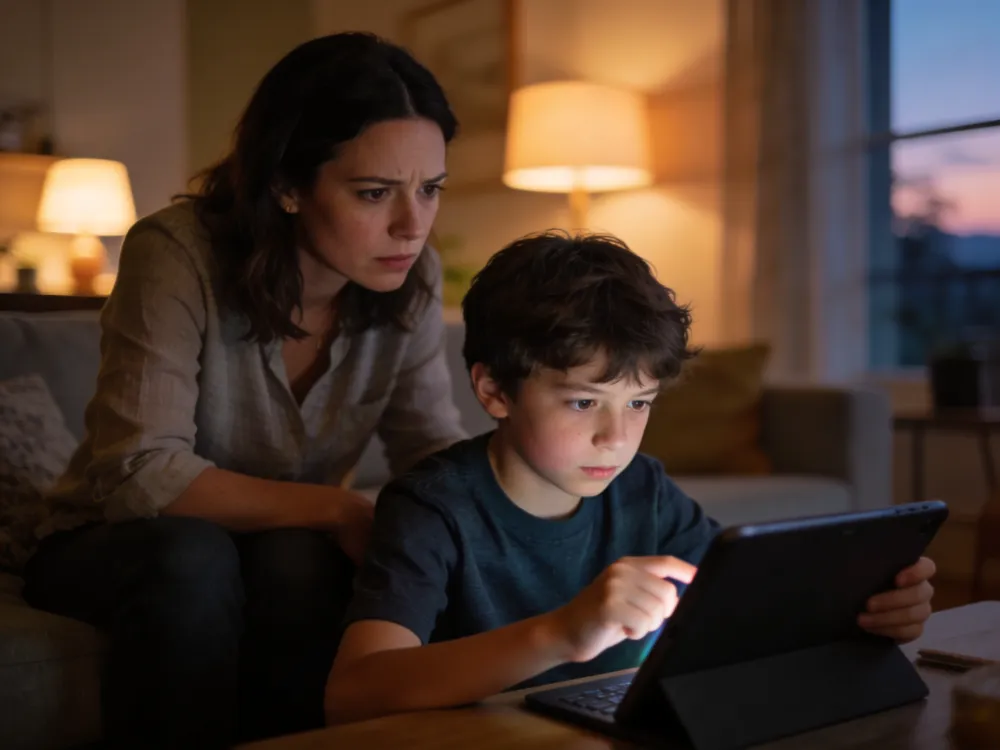
To understand the connection, it helps to know a little about how ADHD affects the brain. Children with ADHD have lower baseline levels of dopamine, the chemical associated with reward and motivation. Everyday tasks like homework or chores do not stimulate enough dopamine to hold their attention. Screens, on the other hand, deliver fast, unpredictable rewards constantly. Games ding. Videos autoplay. Notifications pop up. For a brain craving stimulation, this is almost impossible to resist.
This is not a discipline problem. It is a neurological one. Recognizing that distinction matters, because it changes how we approach solutions.
The Hyperfocus Trap
One of the lesser-known features of ADHD is hyperfocus. Rather than being unable to concentrate on anything, many children with ADHD can lock onto something intensely engaging for hours at a time. Screens are among the most common hyperfocus triggers.
When a child with ADHD hyperfocuses on a screen, they are not choosing to ignore you. Their brain has essentially gone offline for everything except what is in front of them. Transitioning out of that state is genuinely difficult, and the frustration is real on both sides.
Sleep, Attention, and the Screen Time Cycle
Screen use, especially in the evening, disrupts the production of melatonin and makes it harder to fall asleep. For children with ADHD, who already tend to struggle with sleep, this creates a cycle: poor sleep worsens attention and impulse control the next day, which makes screens even more appealing as a coping mechanism. Breaking that cycle often requires looking at screen habits first.
How Much Screen Time Is Too Much for a Child with ADHD?
There is no universal answer, but there are useful benchmarks. The American Academy of Pediatrics recommends consistent limits on screen time for all children, with particular attention to content quality, context, and the displacement of sleep and physical activity. For children with ADHD, many pediatric specialists suggest even more conservative limits.
Rather than focusing only on hours, consider what screen time is replacing. If a child is skipping outdoor play, resisting homework, or losing sleep because of screens, the amount is almost certainly too high, regardless of what the clock says.
Signs That Screen Time May Be Affecting Your Child
Watch for these patterns in a child with ADHD who may be getting too much screen time:
- Extreme emotional reactions when screens are taken away or limited
- Increasing difficulty completing non-screen tasks like reading or chores
- Sleep problems, including trouble falling asleep or waking exhausted
- Reduced interest in activities they used to enjoy
- More frequent meltdowns, irritability, or mood swings
- Difficulty transitioning between activities throughout the day
| What You Can Do: Early Warning Signs |
| Keep a simple log of screen time and your child’s mood or behavior patterns |
| Notice whether meltdowns cluster around screen transitions |
| Talk to your child’s pediatrician if behavioral changes are persistent |
| Consider a brief ‘screen detox’ weekend to observe the difference |
Practical Strategies for Managing ADHD and Screen Time at Home
Good intentions without structure rarely work for children with ADHD. These kids need predictability, clear expectations, and consistent follow-through. Here is what tends to work.
Build Structure Around Screens, Not Just Limits
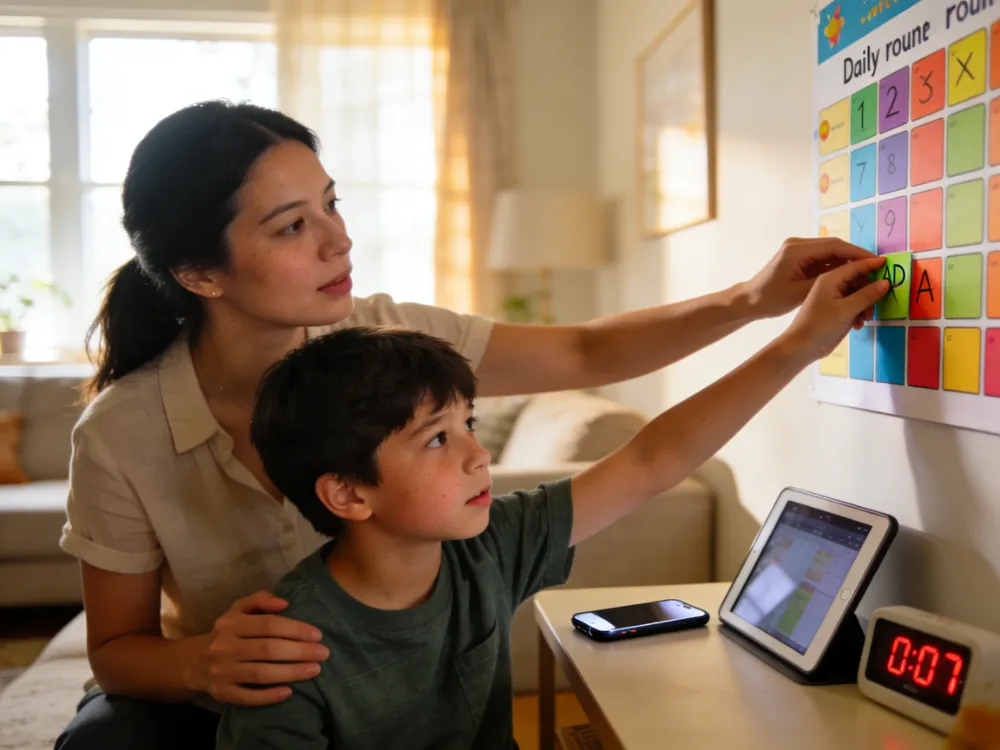
Instead of simply saying ‘no more screens,’ build a clear schedule. A visual daily routine that shows when screen time is allowed, and what comes before and after it, reduces negotiation and anxiety. Children with ADHD thrive when they know what to expect next.
For example: homework from 4 to 5, outdoor play from 5 to 5:30, then 45 minutes of approved screen time before dinner. Consistent structure helps the brain regulate more easily.
Use Timers and Visual Warnings
Abrupt transitions are one of the hardest things for a child with ADHD. Give a five-minute warning before screen time ends. Use a visual timer they can see counting down. This gives their brain time to start disengaging rather than being jolted out of hyperfocus.
Tools like the Time Timer app or a simple kitchen timer can make a real difference. The warning is not about negotiating. It is about giving the nervous system a heads-up.
Choose Quality Over Quantity
Not all screen time is equal. Interactive, educational content that requires thinking, problem-solving, or creativity is less passive and often less addictive than fast-paced entertainment videos. Minecraft can build spatial thinking. A coding game can channel intense focus productively. Passive autoplay content, by contrast, offers almost no benefit and is optimized to keep children glued.
Common Sense Media is a reliable, free resource where parents can review the quality, age-appropriateness, and educational value of specific apps, games, and shows before allowing access.
Helpful resources
How to Set Up the Best Parental Controls on iPhone (Step-by-Step)
Learn how to set up the best parental controls on iPhone using Apple’s built-in Screen Time features. This step-by-step guide helps parents manage screen time, block inappropriate content, and create a safer digital experience for kids.
Set Devices to Support You
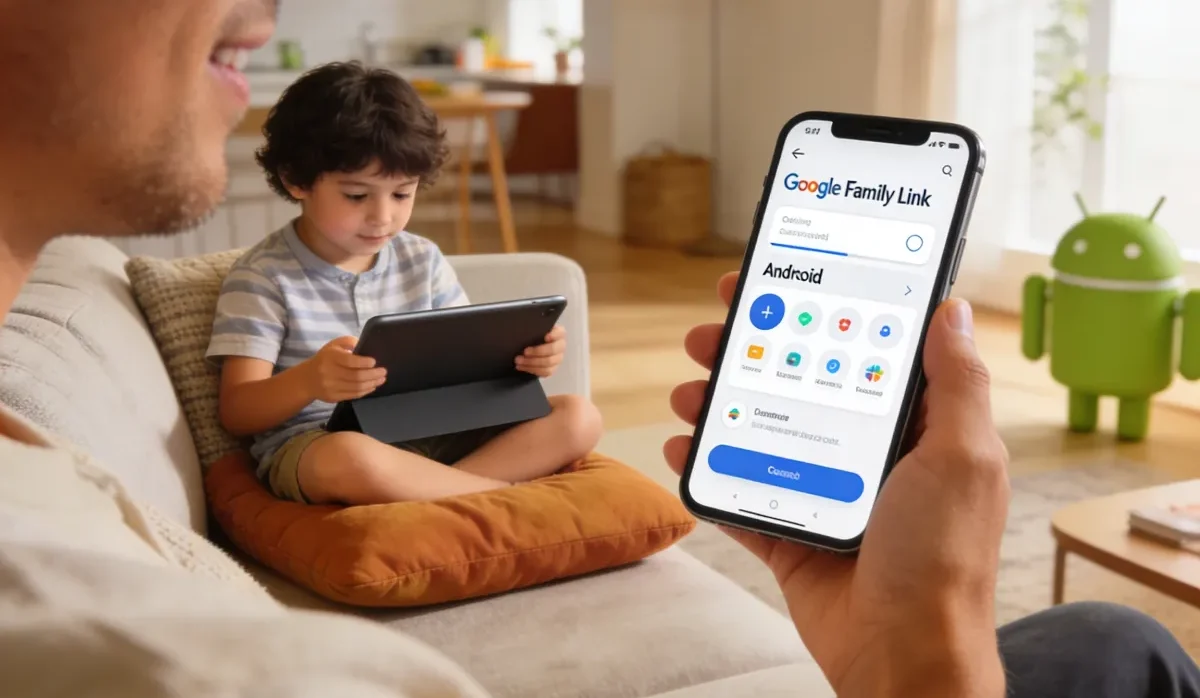
Use the parental controls already built into your devices. Apple Screen Time and Google Family Link both allow you to set daily time limits per app category, create automatic downtime schedules, and block access to specific content. These tools are not foolproof, but they remove the burden of being the constant enforcer.
Also consider moving devices out of bedrooms entirely. Charging phones and tablets in a common area overnight is one of the simplest and most effective changes a family can make.
| What You Can Do: Daily Habits |
| Create a written or visual daily schedule that includes screen time slots |
| Use a five-minute countdown timer before all transitions off screens |
| Enable Screen Time (iPhone/iPad) or Family Link (Android) limits |
| Keep all devices out of bedrooms, especially at night |
| Offer a physical activity between school and screens each day |
Helpful resources
Best Parental Control Apps for Kids (Tested by Parents)
Finding the right parental control app can feel overwhelming, especially with so many options available. After testing the most popular apps with real families, we found the best parental control tools that help parents manage screen time, monitor online activity, and keep kids safer online.
Talking to Your Child with ADHD About Screens
One of the most important things we can do is have honest, age-appropriate conversations with our children about why screens affect them differently. This is not about making them feel broken. It is about helping them understand their own brain.
You might say something like: ‘Your brain loves new and exciting things, which is one of the reasons you are so creative. But screens are designed to keep giving your brain that excitement, and sometimes it is hard to stop even when you want to. That is why we have our screen schedule.’ Framing it this way builds self-awareness rather than shame.
Older children with ADHD can be brought into the conversation about setting their own limits. When kids have some ownership over the rules, they are far more likely to cooperate with them.
When to Seek Professional Support
If screen time conflicts are causing serious stress in your home, or if you are seeing significant behavioral or emotional changes in your child, it may be time to involve a professional. A pediatric therapist or behavioral specialist who works with ADHD families can help you create a plan tailored to your child’s specific profile.
Your child’s pediatrician is also a good starting point. They can assess whether the screen-related behaviors are part of broader ADHD challenges and connect you with appropriate support. You do not have to figure this out alone.
Frequently Asked Questions
Does screen time make ADHD worse?
Excessive screen time does not cause ADHD, but it can worsen attention difficulties, emotional regulation, and sleep quality in children who already have the condition. Research from the National Institutes of Health suggests that children who spend more time on screens show changes in brain structure and behavior over time. For children with ADHD and screen time challenges, reducing overall digital exposure and improving sleep often leads to noticeable improvements in focus and mood.
How much screen time is recommended for a child with ADHD?
There is no single official guideline specific to ADHD, but the American Academy of Pediatrics recommends that screen time for school-age children should be limited to one or two hours of high-quality content per day. Many ADHD specialists recommend staying at or below that range and paying close attention to the type of content, how screens affect sleep, and whether they are replacing physical activity or face-to-face interaction.
Why does my child with ADHD get so upset when screen time ends?
Children with ADHD experience transitions more intensely than neurotypical children, especially when leaving something highly stimulating. The emotional reaction is partly neurological. Screens deliver constant dopamine hits, and losing that suddenly feels abrupt and distressing to the brain. Using transition warnings, visual timers, and consistent routines helps ease this process over time.
Are video games especially problematic for ADHD and screen time management?
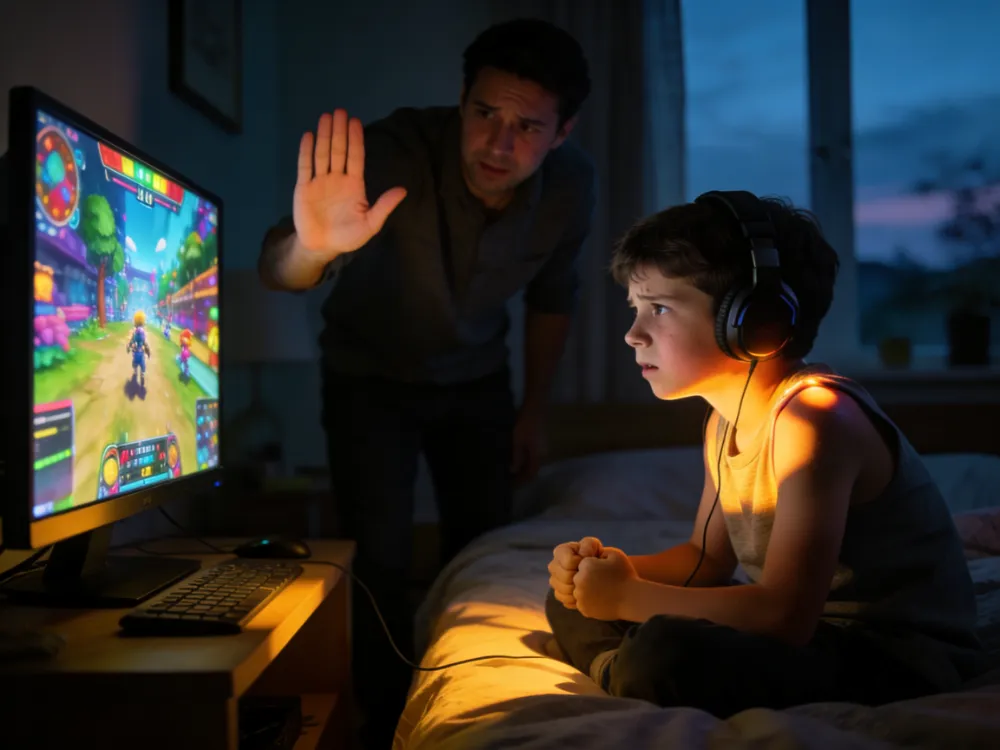
Video games are particularly compelling for children with ADHD because they are designed around variable reward systems, quick feedback loops, and social interaction, all of which stimulate dopamine. Multiplayer games are harder to pause mid-session, which increases conflict around stopping. That said, not all gaming is harmful. Games with clear stopping points, educational elements, or creative components can be incorporated thoughtfully. The key is structure, not total avoidance.
What screen time rules actually work for kids with ADHD?
Rules that are visual, predictable, and consistently enforced tend to work best. A written daily schedule, clear time limits enforced by built-in parental controls, transition warnings before screens end, and physical activity before screen time are the strategies most often recommended by behavioral specialists. Involving your child in setting some of the rules also increases buy-in and cooperation.
Conclusion
Managing ADHD and screen time is one of the more demanding parts of raising a child with attention challenges. But it is absolutely manageable, especially when you understand why it is hard and approach it with structure rather than frustration.
Screens are not the enemy. They are a powerful force that benefits from thoughtful management. With clear routines, the right tools, honest conversations, and professional support when needed, your family can find a balance that supports your child’s focus, wellbeing, and happiness.
You know your child better than anyone. Trust that knowledge, stay consistent, and give yourself credit for showing up and asking the right questions. That already puts you ahead.