

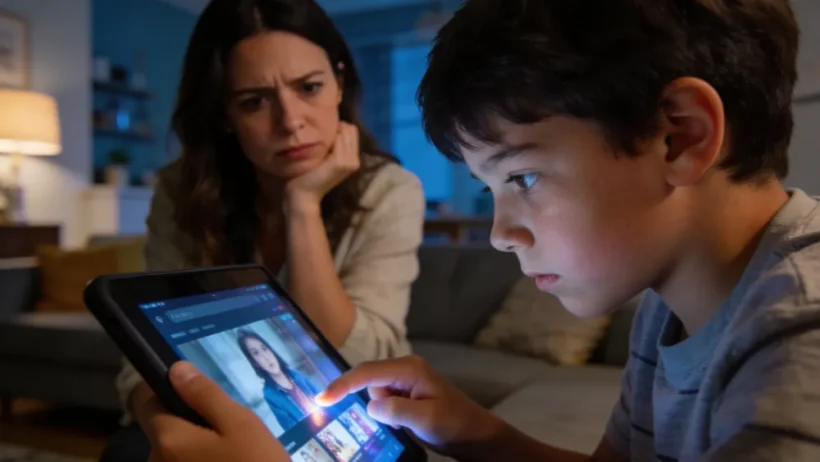
If you have ever noticed your child getting restless the moment a video ends, or struggling to focus on homework after an hour on a tablet, you are not alone. A lot of parents share this concern, and it is one we hear constantly. Does screen time affect attention span? And if so, what can we actually do about it?
The good news is that we have a growing body of research to guide us, along with practical steps that can make a real difference. This article walks you through what experts know about screen time and children’s focus, how different types of content play a role, and how you can help your child build healthier habits without turning technology into the family enemy.
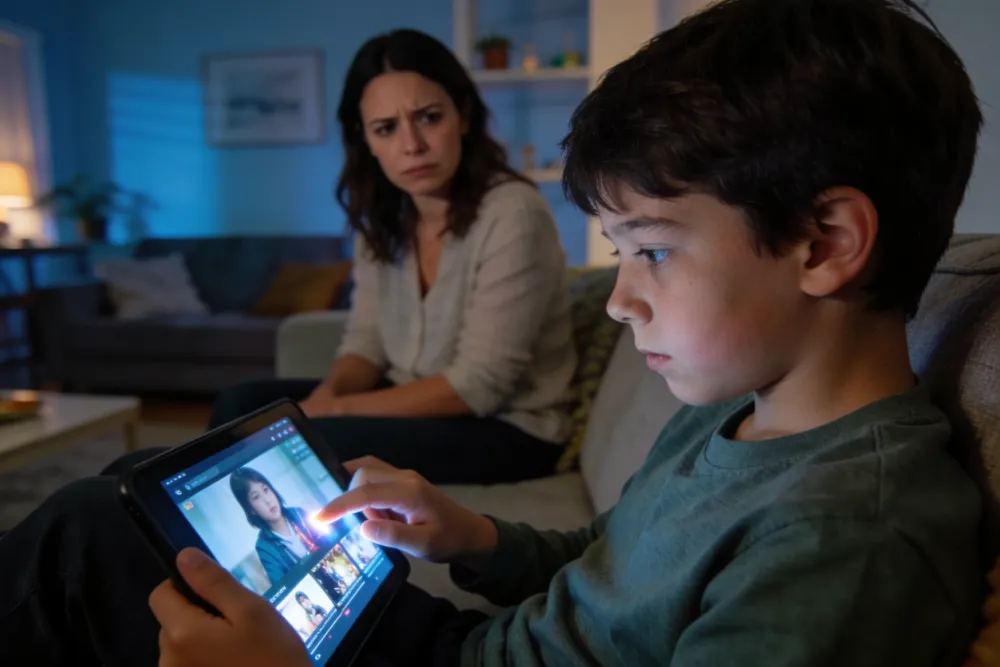
What the Research Says About Screen Time and Attention Span
The link between screen time and attention span is not as simple as “more screens equals worse focus.” The reality is more nuanced, and that is actually good news for parents trying to find balance.
A large study published by the American Academy of Pediatrics found that children who spent more than two hours a day on screens performed lower on thinking and language tests. But researchers were careful to note that the type of screen activity matters significantly. Passive watching, like scrolling through short videos, seems to carry more risk than interactive or educational content.
Research from the NIH-funded ABCD Study has also explored how heavy screen use may relate to brain development and attention.
The concern is really about what researchers call “rapid fire” content. Platforms that serve up one 15-second video after another are essentially training the brain to expect constant stimulation and novelty. When a child’s brain gets used to that pace, sitting quietly to read a book, work through a math problem, or listen to a teacher can start to feel unbearably slow.
The Role of Dopamine and Instant Gratification
Here is a simple way to think about it. Every time your child gets a new notification, a funny video, or a reward in a game, their brain releases a small hit of dopamine, the chemical linked to pleasure and motivation. That feels great in the moment. But over time, the brain starts to crave that cycle of stimulation and reward.
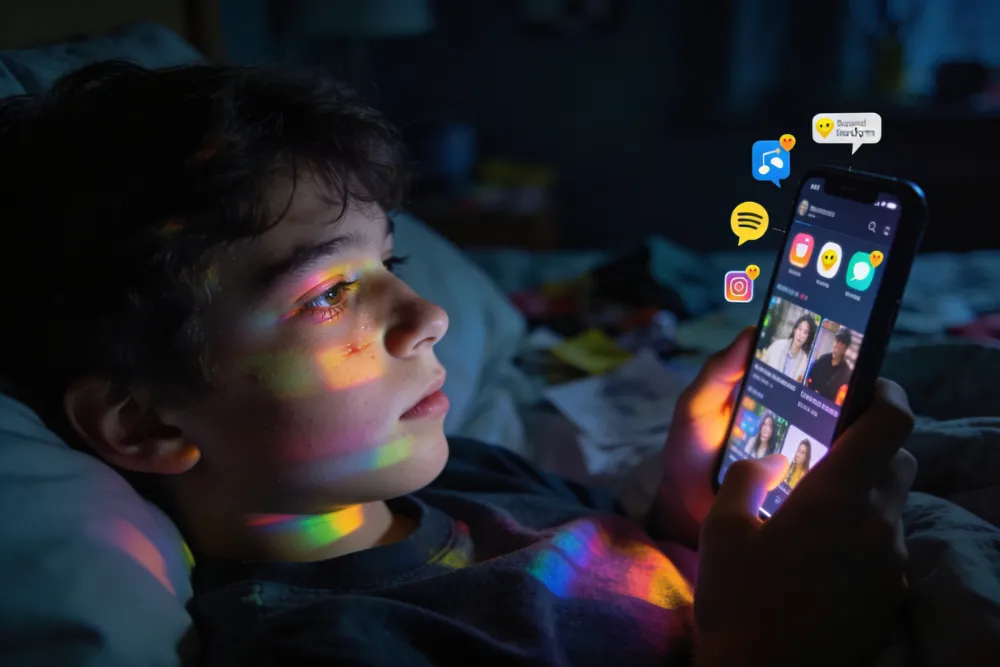
When a task does not deliver that same quick payoff, like practicing handwriting or finishing a worksheet, it can feel genuinely frustrating. This is not a character flaw or laziness. It is a pattern that can develop when high-stimulation digital content becomes the default way a child spends their time.
Does Screen Time Cause ADHD?
This is one of the most common questions we hear, and it is worth being direct. Current research does not confirm that screen time causes ADHD. However, excessive screen use can produce symptoms that look similar to ADHD, including difficulty sustaining attention, impulsivity, and trouble transitioning between tasks.
If you have noticed these signs in your child and they seem persistent even when screens are put away, it is always worth speaking to your pediatrician. But for most children, the attention challenges linked to heavy screen use are manageable with the right habits.
How Screen Time Affects Attention Span at Different Ages
Children’s brains develop at different rates, and the impact of screen time is not the same at every stage. Understanding what is age-appropriate can help you make better decisions for your family.
Under Age 5: A Critical Window
The early years are when the foundations for attention and self-regulation are built. The American Academy of Pediatrics recommends avoiding screen use for children under 18 months (except video chatting with family), and limiting screen time to one hour per day of high-quality programming for children aged 2 to 5.
This recommendation is not about fear. It is about protecting a period when hands-on play, conversation, and exploration are the primary drivers of brain development. A toddler building a block tower is developing focus, problem-solving skills, and patience in ways that a screen simply cannot replicate.
Helpful resources
Best Parental Control Apps for Kids (Tested by Parents)
Compare the best parental control apps to manage screen time, monitor online activity, and protect kids digitally.
Ages 6 to 12: Developing Self-Regulation
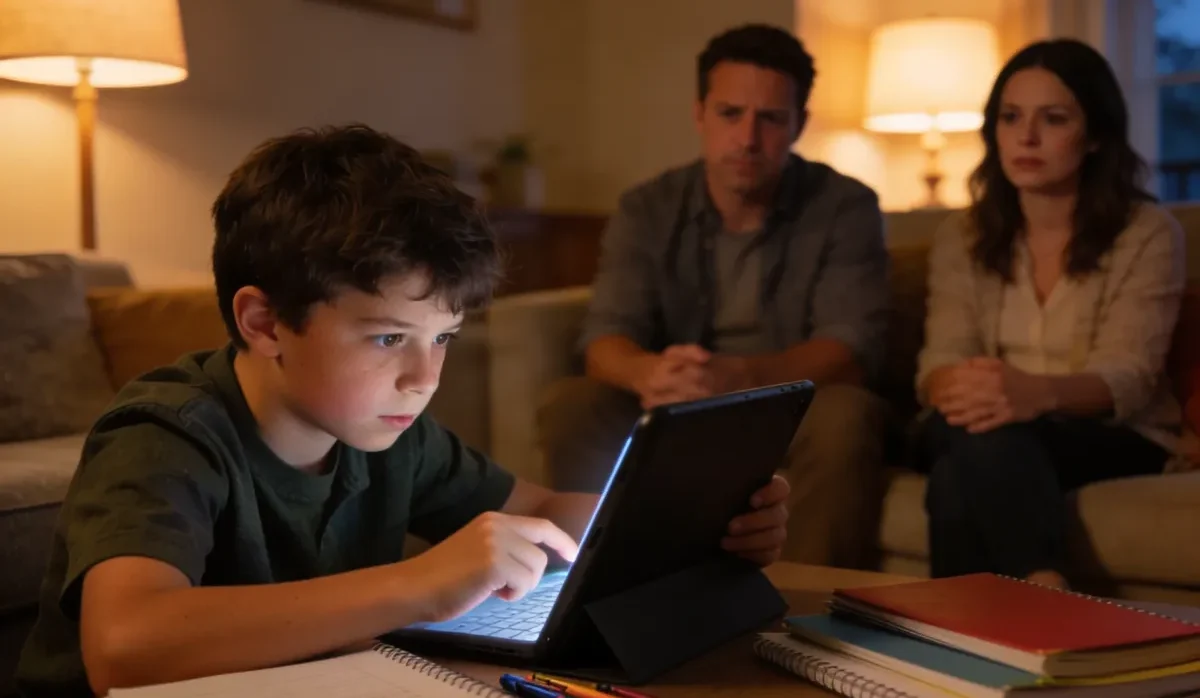
School-age children are learning to sit with discomfort, work through challenges, and sustain focus over time. These are skills that need practice. When screens are overused during this period, especially passive or fast-paced content, children may have fewer opportunities to build that mental stamina.
Consistent limits on screen time, paired with plenty of offline activities, can make a meaningful difference in how well children develop focus during these years.
Teenagers: Habit Patterns That Stick
Teens are especially vulnerable to the attention-fragmenting effects of social media. Pew Research Center data shows that a significant majority of teenagers report using their phones almost constantly, and many say they feel anxiety when they are without their devices.
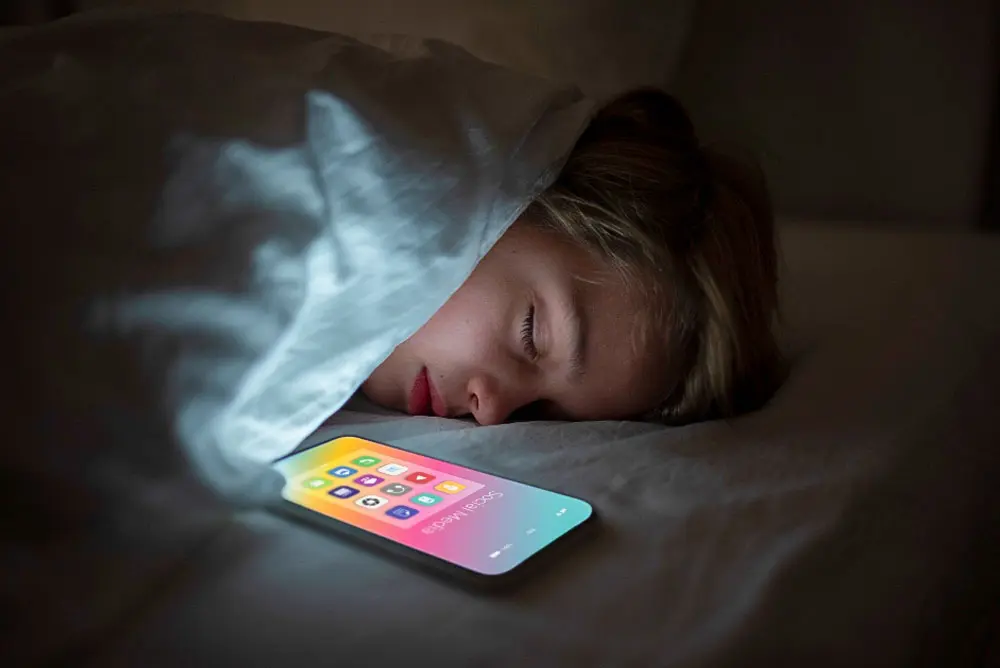
The challenge here is twofold. Heavy social media use during adolescence can fragment attention and interfere with deep focus. It also affects sleep, and a sleep-deprived teen is almost guaranteed to struggle with concentration. The two issues often reinforce each other in ways that can be hard to untangle.
Types of Screen Time: Not All Screens Are Created Equal
One of the most important things we can help parents understand is that screen time is not one single thing. Spending 45 minutes on a video call with a grandparent is very different from 45 minutes scrolling short-form videos.
Common Sense Media also emphasizes that content quality matters more than screen quantity alone.
Quick Guide: Screen Activity Types
- High-quality educational content (e.g., age-appropriate documentaries, learning apps) generally has lower risk
- Interactive creative tools (drawing apps, coding games, digital music) can build skills when used in moderation
- Passive fast-paced content (short video feeds, reaction content) carries the highest risk for attention disruption
- Social media scrolling, especially for younger teens, combines fast-paced content with social comparison and is worth monitoring closely
- Video chatting with family and friends is generally considered low-risk and socially beneficial
When you think about your child’s screen time, it helps to ask not just how much but what kind. An hour of educational exploration is not the same as an hour of autoplay videos, even if the clock says the same thing.
Practical Steps to Protect Your Child’s Attention Span

We are not here to tell you to ban screens entirely. That is not realistic for most families, and honestly, technology is a part of life your child will need to navigate. What we can do is help you set up habits and boundaries that protect your child’s ability to focus.
Set Clear and Consistent Screen Time Limits
Consistency is more powerful than perfection. A firm rule about when screens are on and when they are off gives children a structure they can actually internalize. Screens off during meals, no devices in bedrooms at night, and a clear wind-down routine before bed are three of the most impactful starting points.
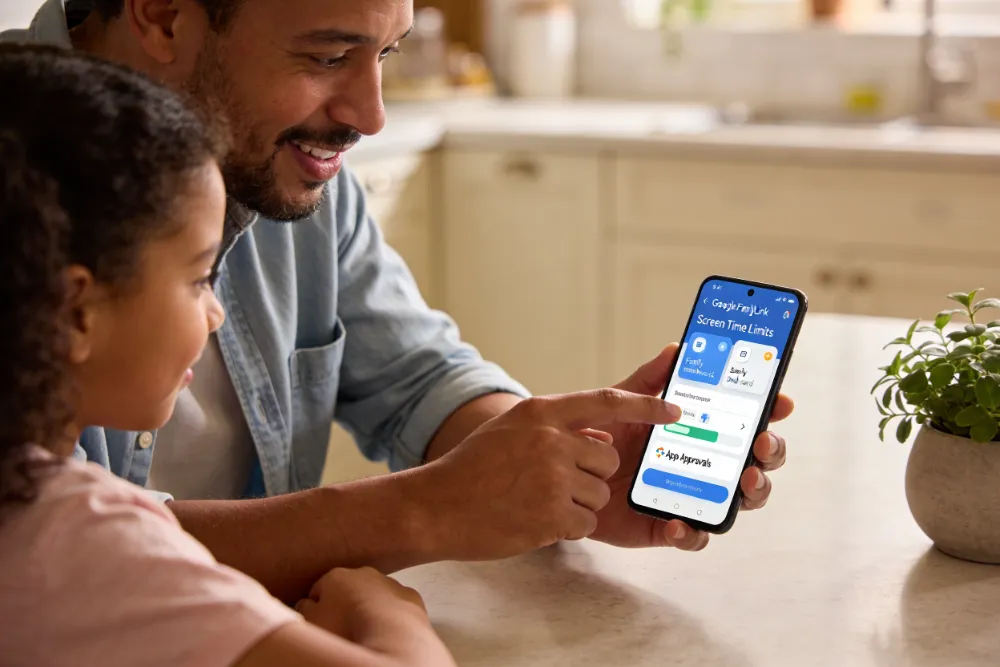
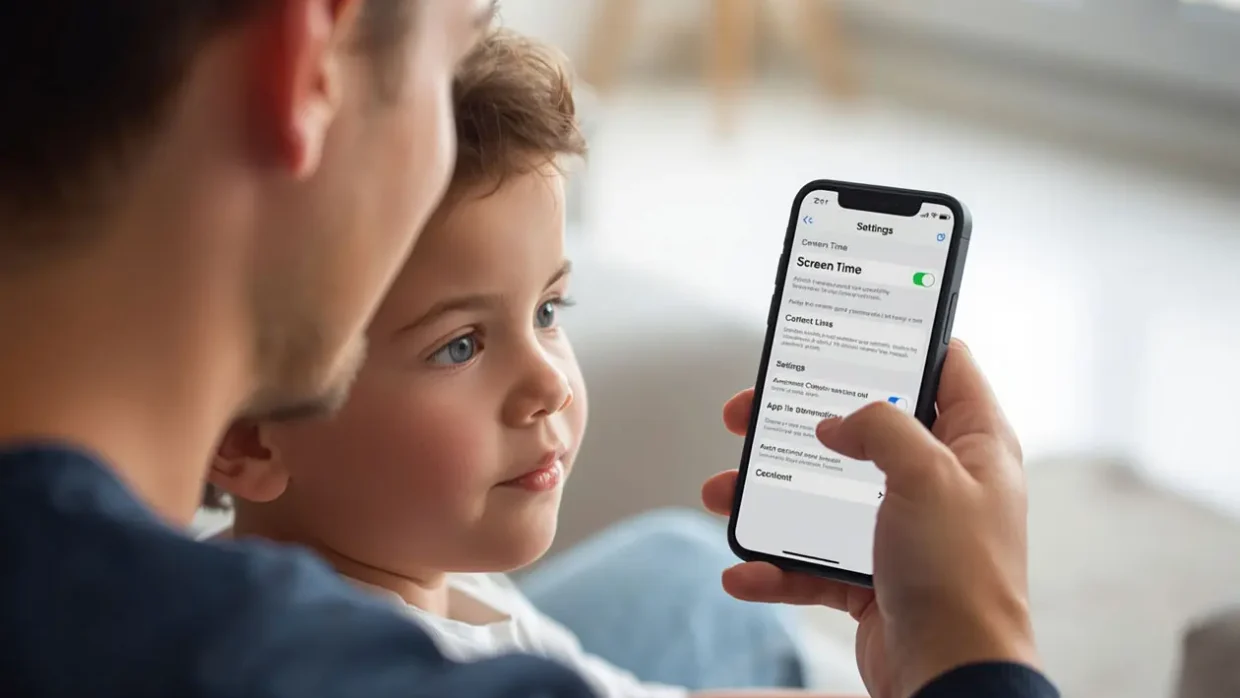
If setting limits feels like a constant battle, built-in parental controls on most devices can take the negotiation out of the equation. Apple’s Screen Time feature and Google’s Family Link both allow you to set daily limits and schedule downtime with just a few taps.
Helpful resources
Healthy Screen Time Rules for Kids by Age (Toddlers to Teens)
Practical screen time rules parents can use to create healthier digital habits without daily battles or stress.
Replace Fast-Paced Content With Slower, Richer Media
If your child loves videos, you do not have to eliminate them. Try steering toward longer-form content, nature documentaries, educational series, or creative tutorials, rather than short-form feeds. Longer videos require the brain to stay engaged with a single idea over time, which is much closer to the kind of attention that serves children in school.
Build in Regular Offline Time
Unstructured offline time is one of the most underrated tools for developing focus. When children are bored without a screen to reach for, they learn to generate their own entertainment through reading, drawing, exploring, or simply thinking. That capacity for self-directed attention is enormously valuable.
It does not have to be elaborate. A rule that says phones stay in the kitchen after 7pm gives children several hours every evening to do something else. Over time, that habit builds attention span in ways that are hard to measure but easy to notice.
Model the Behavior You Want to See
Children are remarkably good at noticing what their parents actually do, as opposed to what they say. If you are checking your phone constantly, it sends a message that is hard to talk around. Designating phone-free time for the whole family, not just the kids, creates a shared norm that feels fair rather than punitive.
What You Can Do This Week
- Review your child’s current screen habits and identify which types of content take up the most time
- Set up Screen Time (iOS) or Family Link (Android) if you have not already
- Introduce one phone-free family activity each day, even if it is just dinner together
- If your child is a teen, have an open conversation about how their phone use makes them feel
- Talk to your pediatrician if focus issues seem serious or are affecting school performance
When to Talk to a Professional
For most children, simple habit changes make a noticeable difference. But sometimes what looks like a screen-driven attention issue is something deeper. If your child’s difficulty focusing is severe, affects multiple areas of their life, and persists even after screens are reduced, it is worth bringing up with their pediatrician or a child psychologist.
Getting a proper evaluation is not something to delay. Early support for attention difficulties, whether screen-related or not, can make a significant difference in how a child experiences school and social relationships.
Frequently Asked Questions
Does screen time affect attention span in young children specifically?
Yes, research suggests that young children under age 5 are particularly vulnerable because their attention systems are still forming. Exposure to fast-paced, high-stimulation content during this period can make it harder for children to develop the patience and focus needed for learning. The American Academy of Pediatrics recommends keeping screen time very limited for children under 5 for exactly this reason.
How much screen time is too much if I am worried about my child’s attention span?
There is no single number that works for every child, but most pediatric guidance suggests limiting recreational screen time to 1 to 2 hours per day for school-age children. Just as important as quantity is quality. One hour of fast-paced passive videos is likely more disruptive to focus than one hour of interactive or educational content. Pay attention to how your child behaves after different types of screen use.
Can screen time affect attention span even in teenagers?
Absolutely. Teenagers are actually quite susceptible because they tend to use screens heavily and independently, often in the form of social media, which is specifically designed to be attention-fragmenting. Studies have found links between heavy social media use and reduced ability to sustain focus, as well as sleep disruption that compounds the problem. Open conversations and family norms around phone use help significantly at this age.
Is there screen time that does not negatively affect attention span in kids?
Yes. Educational content, video calls with family, and creative digital tools like coding games or drawing apps are generally lower-risk. The content types most associated with attention disruption are short-form video feeds and autoplay platforms that are designed to keep viewers scrolling. If your child is going to spend time on screens, choosing slower, more intentional content is a meaningful way to reduce the risk.
What signs suggest that screen time is affecting my child’s attention span?
There are a few patterns worth watching for. These include: difficulty staying on task during homework or reading, becoming irritable or restless when screens are taken away, trouble sleeping, and a general preference for quick digital rewards over activities that require patience. If you notice several of these signs together, try reducing screen time for a few weeks and see if things improve. If they do not, a conversation with your child’s pediatrician is a good next step.

Conclusion
So, does screen time affect attention span in kids? The honest answer is: it can, especially when screen use involves fast-paced, passive content that trains the brain to expect constant stimulation. But the picture is not all bleak. With the right habits, the right types of content, and a few simple boundaries, most families can find a balance that protects their children’s focus without eliminating screens entirely.
The goal is not a screen-free childhood. It is a childhood where screens are one part of a rich, varied life. When children have time to read, play, create, and simply be bored sometimes, they build the mental resilience that will serve them long after any particular app has come and gone.
We are here to help you navigate all of this, one step at a time.